

Compare air cushions, gel cushions, and foam pressure relief technologies in 2026.
A practical buying guide for hospitals, nursing homes, and healthcare procurement teams.
As hospitals, nursing homes, and long-term care facilities strive to prevent pressure ulcers while managing operational costs, selecting the right pressure relief technology is critical.
This comparison guide helps procurement managers and clinical teams evaluate air, gel, foam, and hybrid cushions.
Quick Technology Comparison (2026)
| Technology | Pressure Redistribution | Durability | Heat & Moisture Control | Maintenance | Best Suited For |
| Dynamic Air Cushion | Excellent (★★★★★) | High | Excellent | Low | High-risk patients, long-term care |
| Gel Cushion | Very Good (★★★★) | Medium | Good | Medium | Moderate risk, shorter use |
| High-Density Foam | Good (★★★) | Medium | Poor | Very Low | Low-risk patients, budget options |
| Hybrid (Air + Foam/Gel) | Excellent (★★★★★) | High | Very Good | Low | Versatile institutional use |
Detailed Comparison for Healthcare Buyers

Dynamic Air Cushions
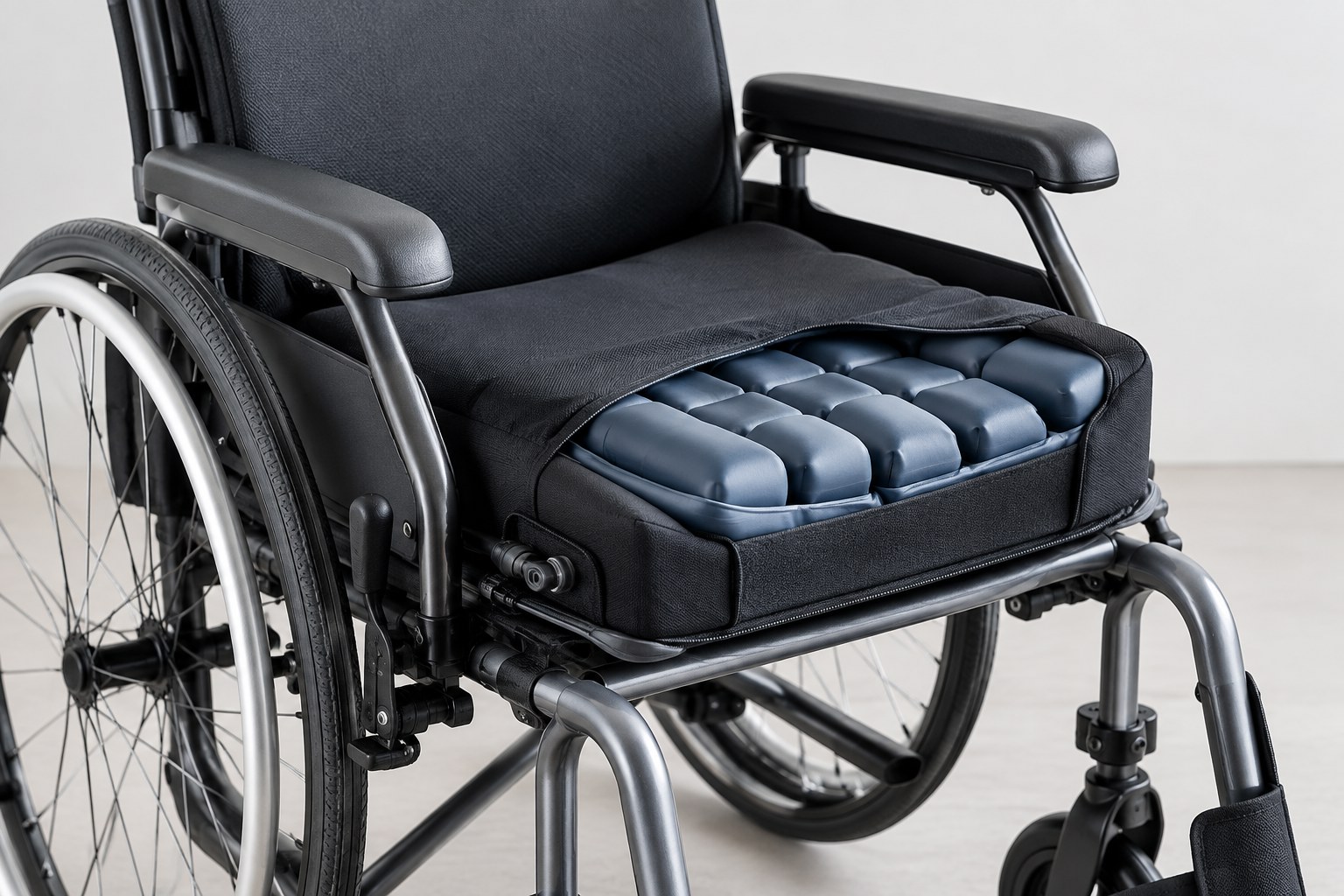
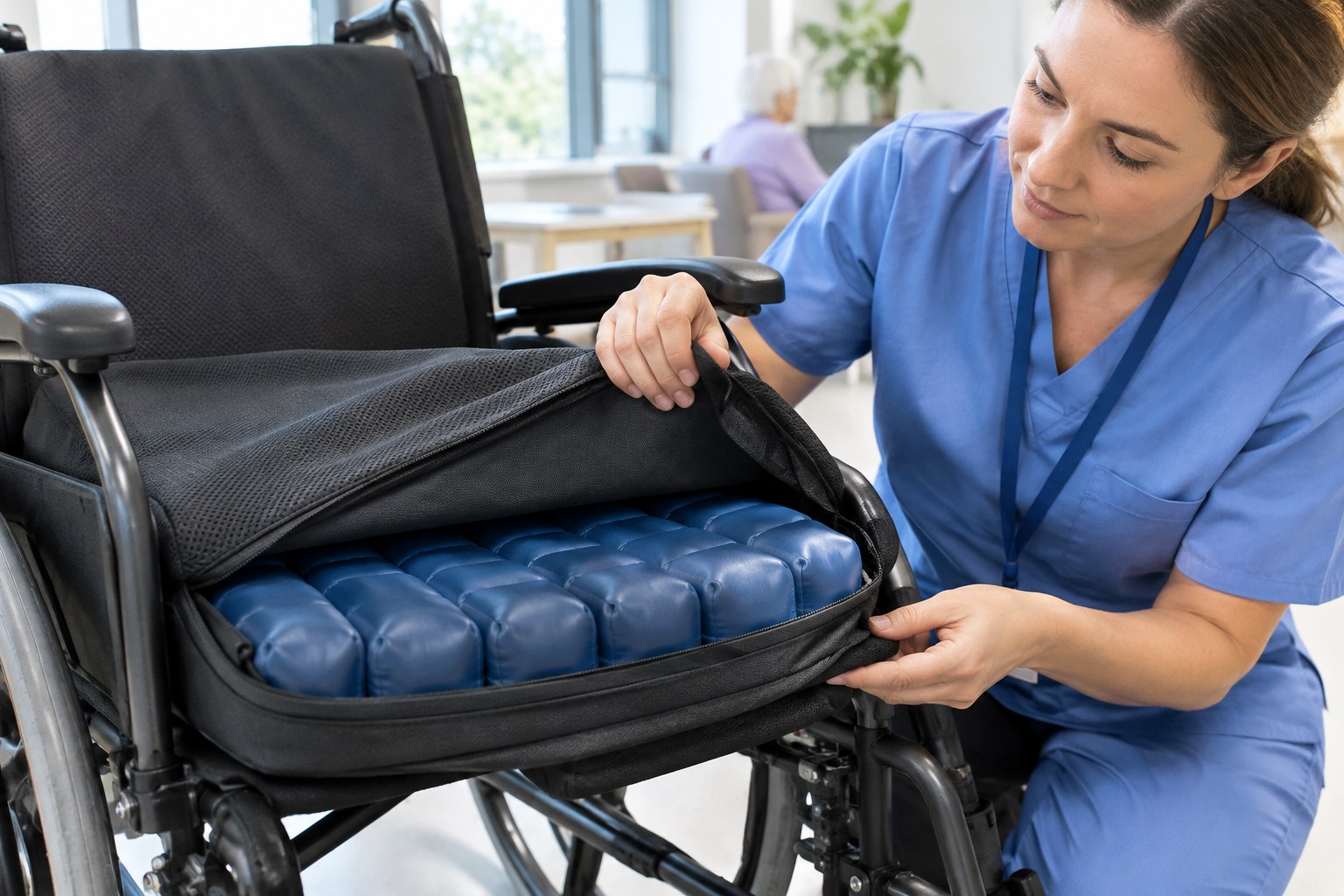
Dynamic air cushions use adjustable air cells that continuously redistribute pressure based on patient movement. They offer superior pressure relief, excellent breathability, and effective microclimate management (reducing heat and moisture buildup).
Best for: High-risk patients, pressure ulcer prevention programs, and facilities focused on long-term cost efficiency.

Gel Cushions
On the other hand, gel cushions provide good immersion and pressure redistribution through viscous gel. However, they are heavier, retain more heat, and can develop leaks over time.
Best for: Moderate-risk patients and shorter-duration seating needs.
| Comparison dimension | Air Cushion | Gel Cushion |
| Pressure Relief | Multi-air-cell independent zones; dynamic alternatinginflation/deflation actively disperses pressure | Static gel provides even support and passively disperses pressure |
| Pressure Distribution | Adjustable by body type, posture, and weight; precise pressure control in each zone for personalized fit | Overall even pressure; cannot be adjusted by zone; higher pressure concentrates on bony areas (coccyx, ischial bones) |
| Breathability | Air flows between cells; fast heat dissipation; stays cool during long sitting | Gel absorbs heat slowly and dissipates it slowly; tends to feel stuffy and sweaty in summer |
| Hardness Adjustment | Inflatable; firmness adjustable to suit different body weights and scenarios | Fixed hardness; no personalized adjustment |
| Portability | Deflatable and foldable; lightweight and easy to carry/travel with | Relatively heavy; fixed size; inconvenient to carry |
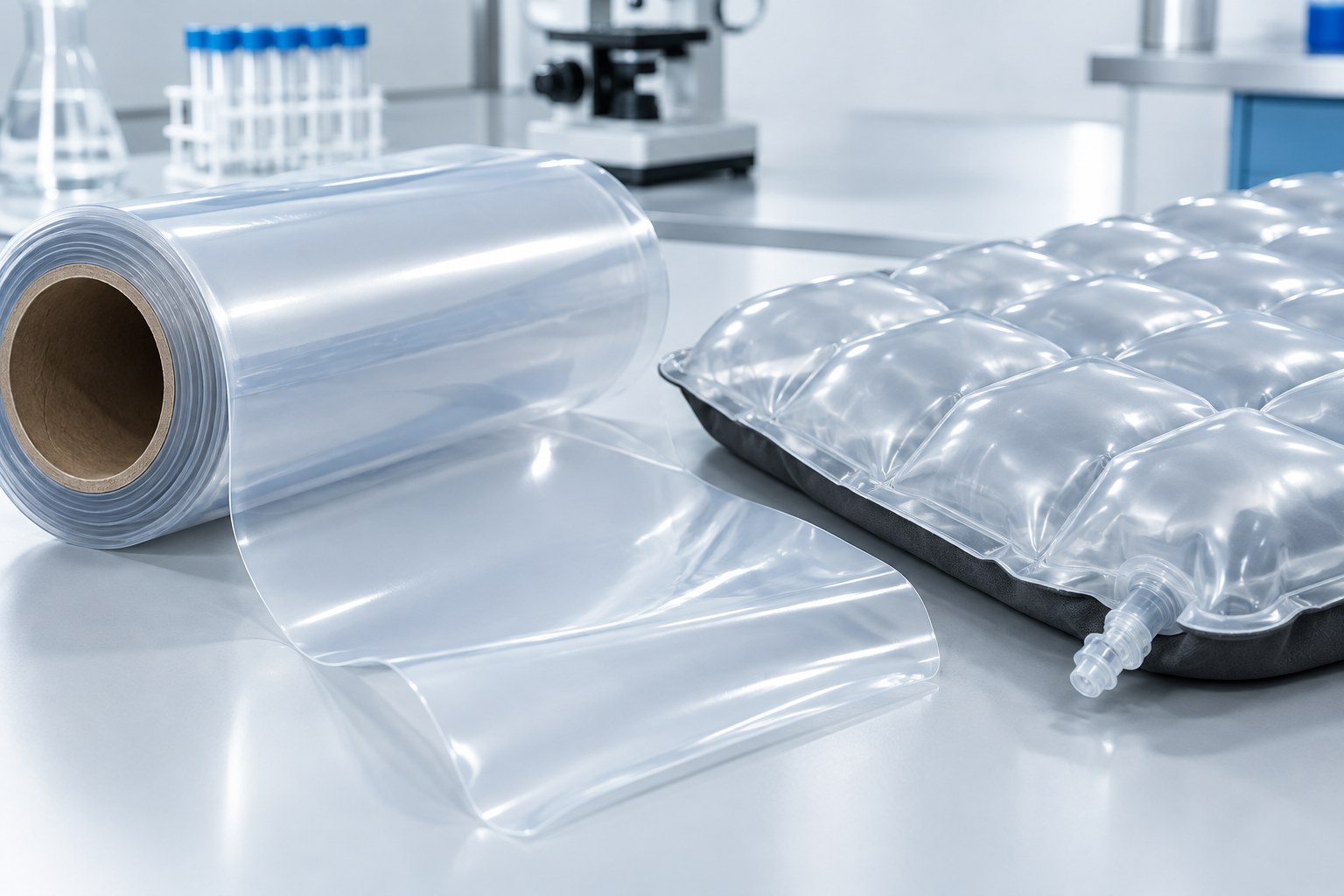
| Anti-Deformation | TPU air cells rebound quickly; no permanent dents with long-term use | Prone to “memory dents” after prolonged pressure; support gradually decreases |

Foam Cushions (Memory Foam & High-Density)
Foam remains the most affordable option but tends to compress over time, leading to “bottoming out.” It also has poorer breathability.
Hybrid Solutions
Combining air with foam or gel layers delivers balanced performance, making them increasingly popular in modern healthcare settings.
How to Choose the Right Pressure Relief Technology
Choose Dynamic Air Cushions when your facility needs:
- Advanced pressure ulcer prevention (Stage II and above)
- Reduced staff time on repositioning and maintenance
- Better patient comfort for prolonged sitting or lying
- Lower total cost of ownership over 2–3 years
Consider Gel or Foam when:
Working with lower-risk patient populations
Operating under tight short-term budget constraints
Procurement Tip: Always evaluate Total Cost of Ownership — including purchase price, replacement frequency, cleaning costs, and clinical outcomes — rather than just the initial unit price.
Conclusion
Overall, dynamic air cushion technology stands out as the preferred solution for most progressive healthcare facilities due to its superior clinical performance and long‑term economic benefits. Pressure injury prevention remains a high‑priority topic within senior care and rehabilitation sectors. You can review industry research and clinical guidelines from NPUAP (National Pressure Injury Advisory Panel) for evidence‑based best practices for pressure injury management.
Looking for reliable pressure relief solutions for your hospital or long‑term care center?
Contact JFTCARE today for expert consultation, product samples, bulk pricing, and customized recommendations tailored to your patient profile. Explore our full range of pressure‑redistribution products via our pressure relief cushions collection.



Leave a Reply