
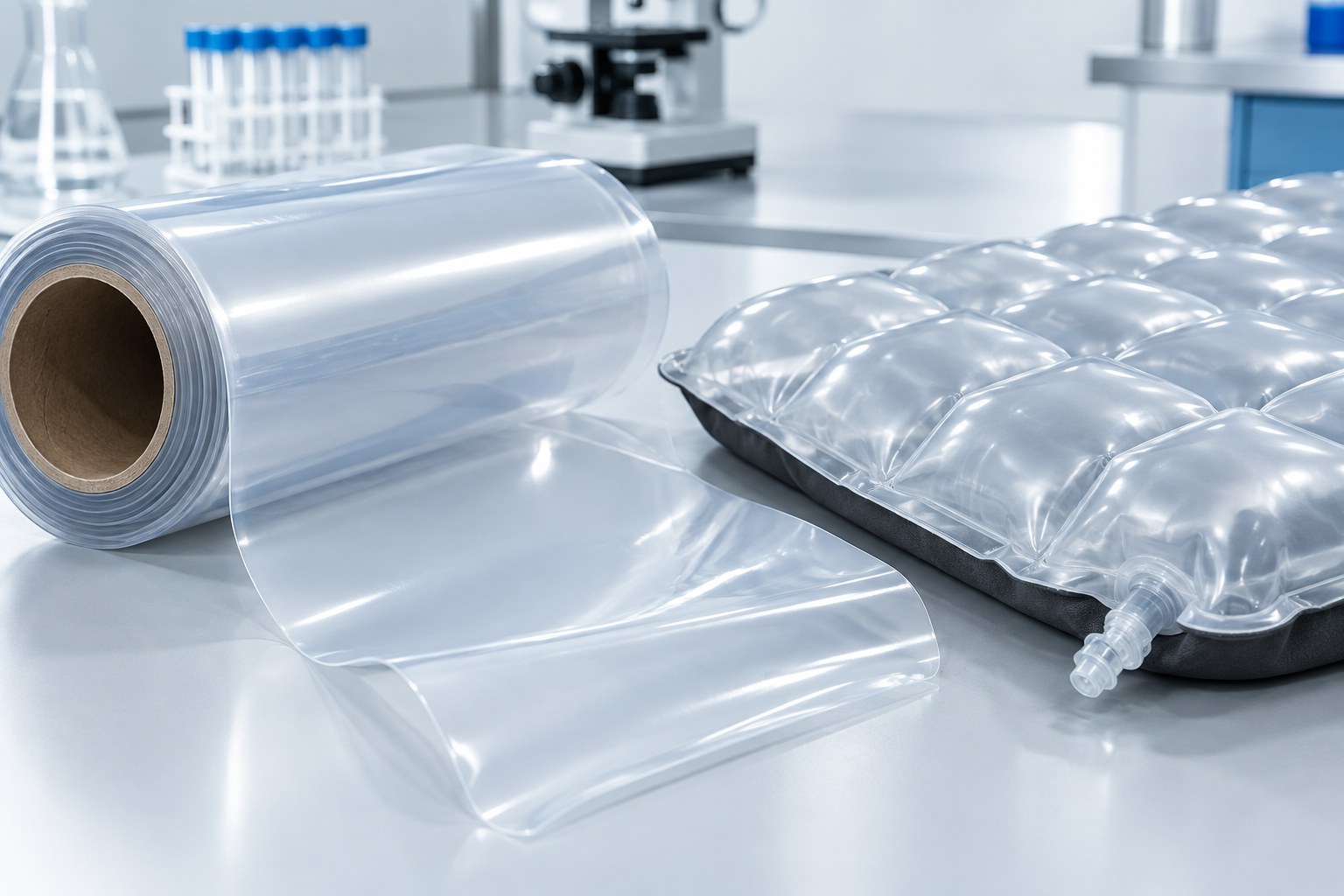
Short answer: TPU is a key material in many inflatable pressure-relief cushions, but “TPU” alone does not describe complete material performance. Buyers should ask about TPU type, formulation, thickness, seam construction, hydrolysis resistance and intended use environment.
Why material selection matters
An inflatable cushion depends on its air-retention system. Material properties can influence flexibility, durability, resistance to environmental conditions, bonding and long-term reliability.
Polyether TPU vs. polyester TPU
Polyether and polyester TPU are different material families with different performance characteristics. Where hydrolysis resistance is important, buyers should ask the manufacturer which TPU family is used and what evidence supports the claimed durability.
JFTCARE uses polyether TPU in relevant air-cell cushion products described by the company. Product-specific specifications should be confirmed against the quotation and technical documentation for the exact model.
Five questions to ask your supplier
- What TPU family is used?
- What is the material thickness?
- How are seams bonded or welded?
- What tests are performed for air retention and durability?
- What environmental conditions was the product designed for?
Material is only one part of durability
| Component | What to evaluate |
|---|---|
| TPU film | Material family, thickness, flexibility and hydrolysis resistance |
| Seams | Welding/bonding quality and consistency |
| Valve | Air retention and ease of use |
| Cover | Wear resistance and cleaning requirements |
| Assembly | Consistency between production batches |
Why this matters for B2B procurement
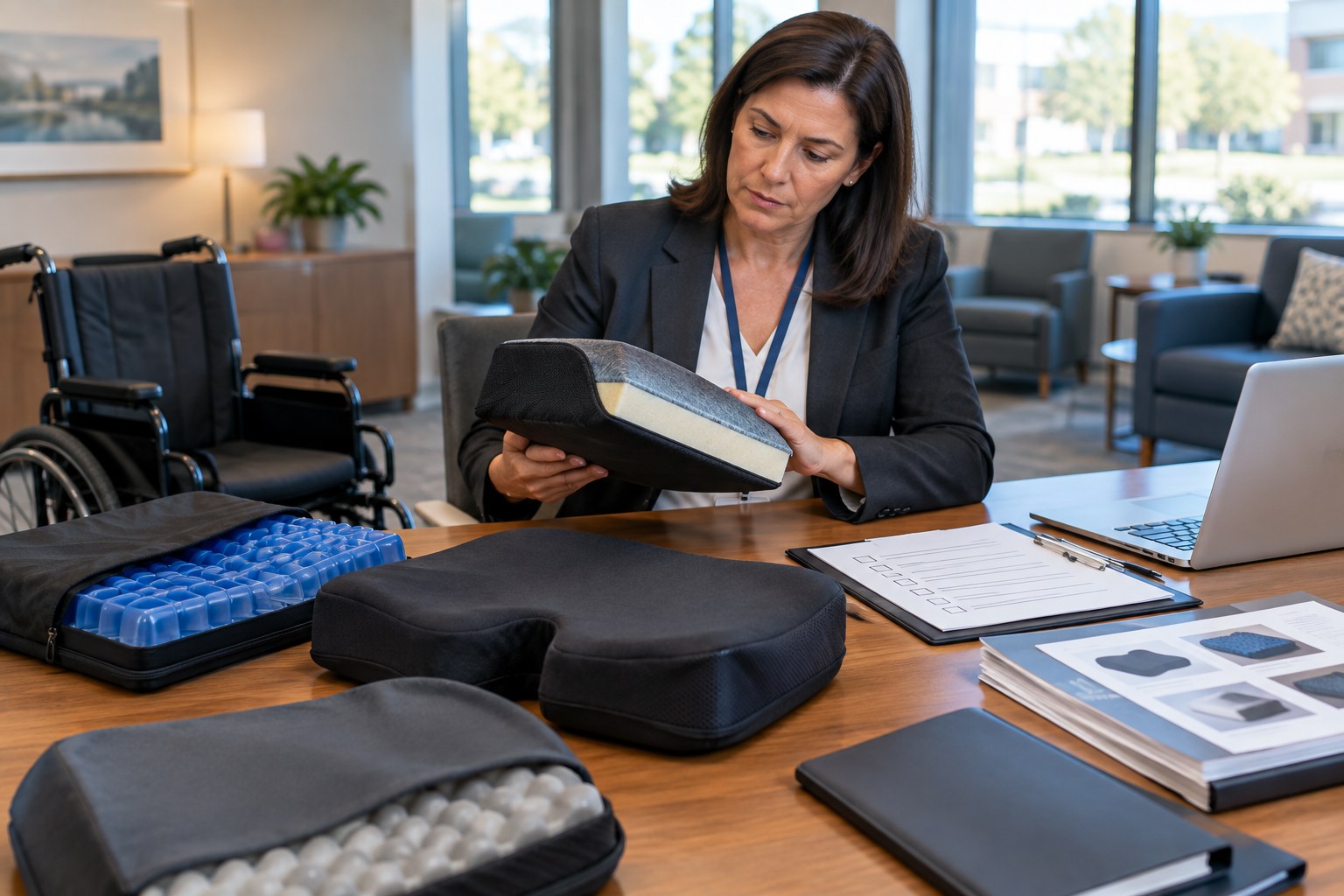
A cushion may look similar in a product photo while using different materials and construction methods. Asking for the material specification and test documentation helps buyers make an informed comparison.
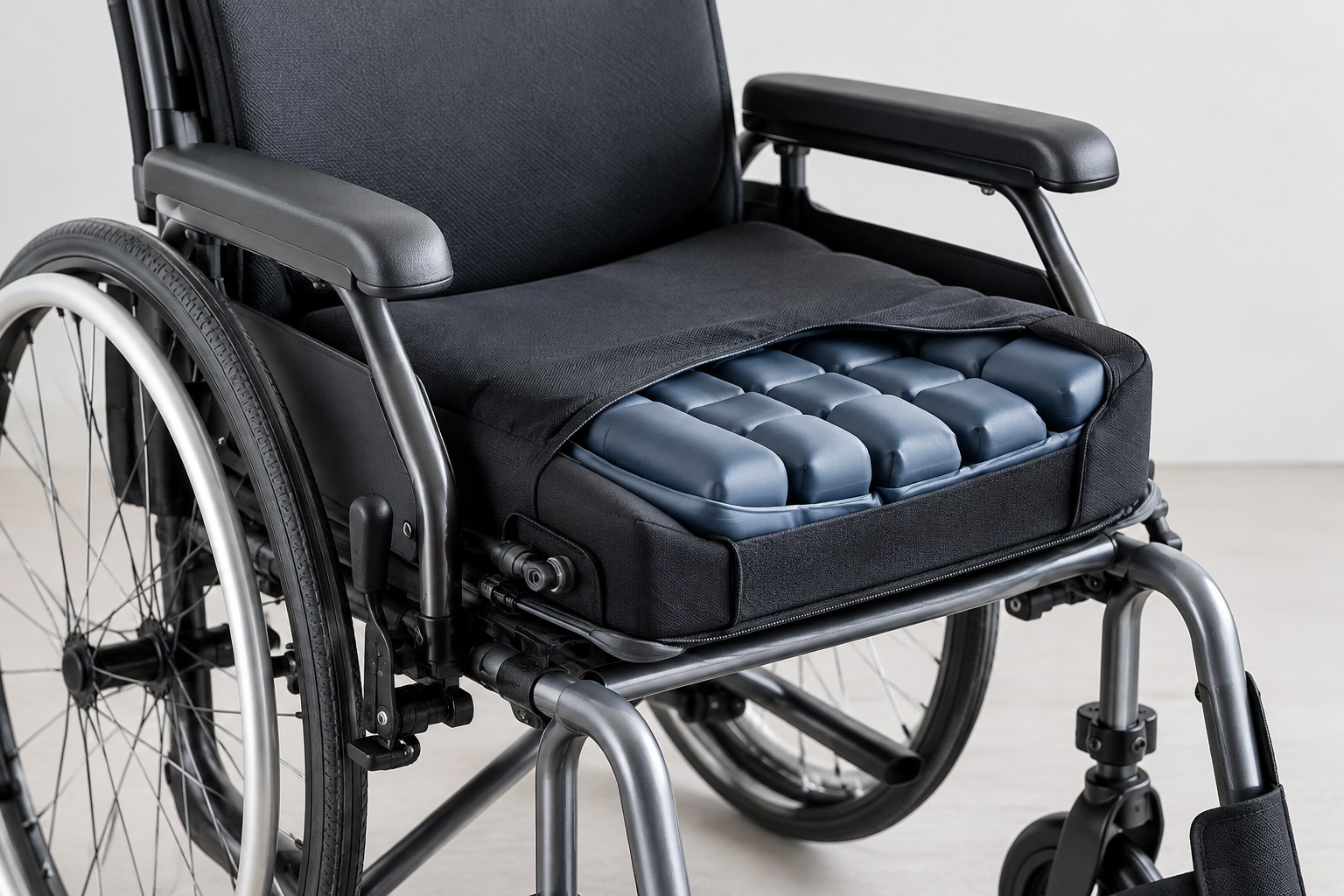
See the pressure relief wheelchair cushion guide for the application side.
Key takeaway
When comparing inflatable cushions, ask “what TPU and what construction?” rather than simply “is it TPU?”
FAQ
Is polyether TPU automatically better for every application?
No material is universally best. Match material properties to the intended environment and verify product-specific specifications and testing.


Leave a Reply