


Are you tired of discomfort from long hours of sitting? Whether you’re working from home, traveling, using an anti-decubitus massage cushion, wheelchair, or recovering from an injury, finding the perfect air cushion, inflatable seat pad, or pressure relief cushion can transform your daily comfort and help prevent pressure sores, tailbone pain, and fatigue.
This in-depth purchase guide covers everything you need to know to make an informed decision. We’ll explore popular options, key features, who benefits most, and practical tips for choosing the best pressure relief product for your specific lifestyle.
Why Do You Need a Pressure Relief Air Cushion?
Long-term sitting increases the risk of pressure ulcers and poor circulation. According to the Centers for Disease Control and Prevention (CDC), falls and pressure injuries are major concerns for seniors and mobility users.
JFTCARE’s advanced airbag technology uses patented inflatable airbag cells to deliver dynamic pressure relief and personalized support.
Learn more about our manufacturing expertise
Pressure Distribution Test Results (2026)
Test Date: May 15, 2026
Test Site: JFT Technology Research Center, Dongguan
Key Finding: JFT 3D airbag decompression seat cushion significantly reduces peak pressure points compared to traditional foam and gel cushions.
Before vs After Use images

Prolonged sitting on hard or unsupportive surfaces can lead to pressure buildup on sensitive areas like the tailbone (coccyx), hips, and buttocks. This often causes pain, numbness, poor posture, and in more serious cases, pressure ulcers (bedsores).
Air cushions and inflatable seat pads excel here because they:
- Distribute the concentrated pressure on the buttocks and hips over multiple points.
- Provide adjustable firmness through inflation and deflation.
- Offer portability and lightweight design for travel, office, car, or camping.
- Help with conditions like sciatica, hemorrhoids, post-surgery recovery, or wheelchair use. Popular search terms like “best inflatable seat cushion for long sitting,” “pressure relief cushion for wheelchair,” and “air pad for tailbone pain” reflect growing demand from office workers, travelers, seniors, and caregivers.
Main Types of Inflatable Air Cushions & Seat Pads

Understanding the main categories helps narrow your choices:
- Inflatable Air Cushions
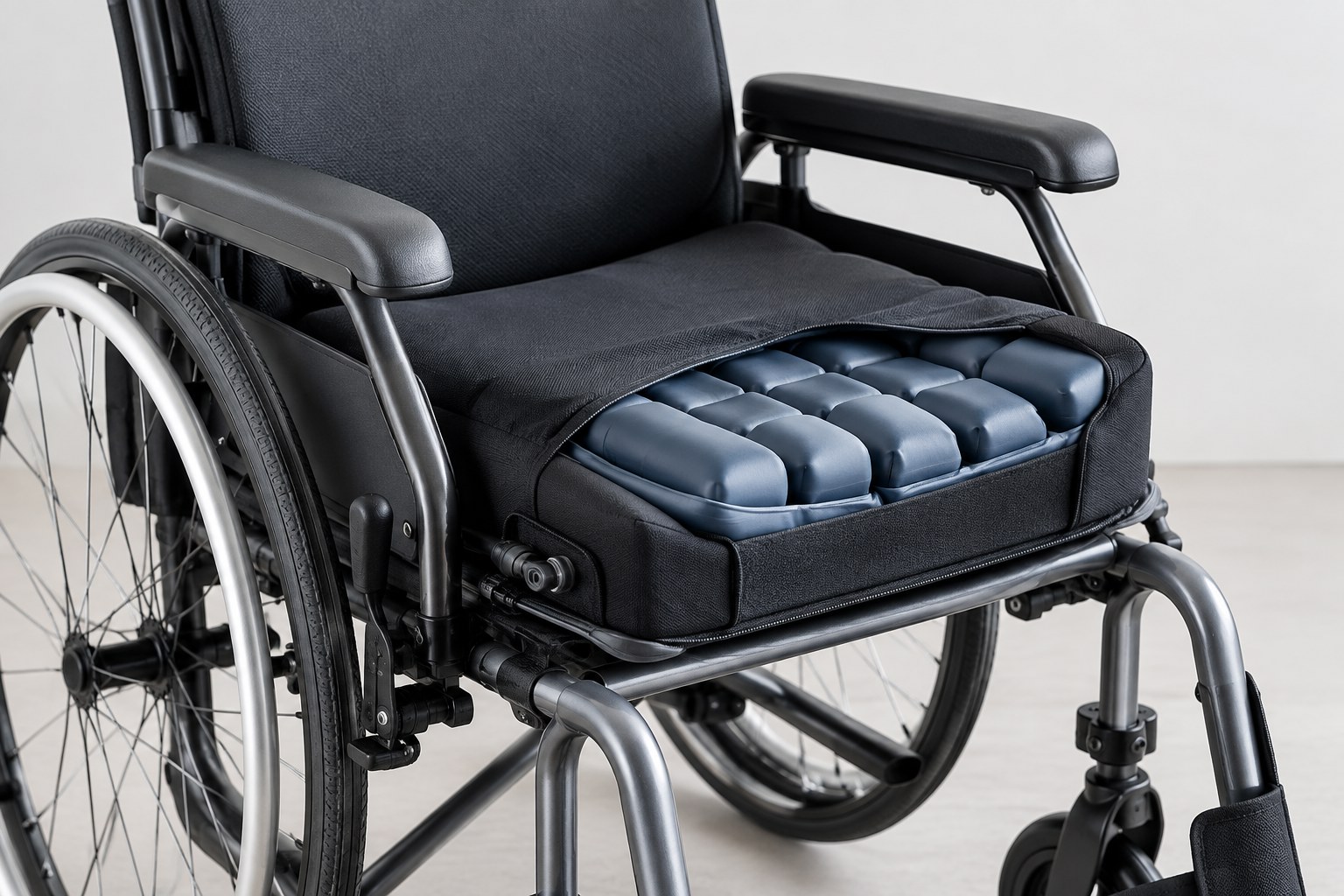
These are fully adjustable by adding or releasing air. They often feature individual air cells or chambers for targeted pressure redistribution. Ideal for wheelchair users and high-risk pressure relief needs. Many include dual valves for easy inflation.
2. Self-Inflating Seat Pads
These use open-cell foam that expands when the valve is opened. Great for camping, hiking, or travel because they pack small and require no manual pumping.
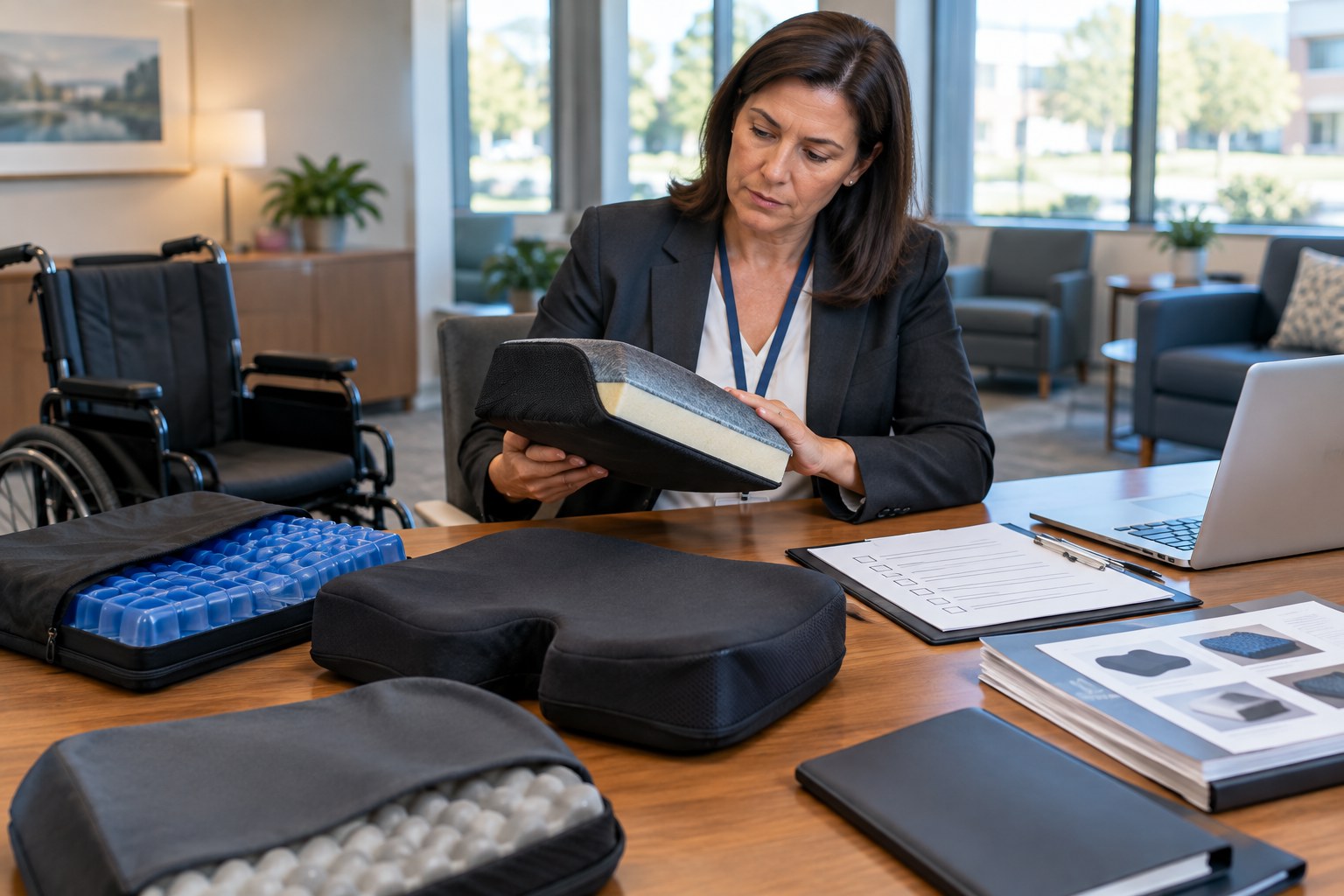
3. Hybrid Air-Gel or Foam-Infused Cushions
Combine air pockets with gel or memory foam layers for stability and cooling. Popular for office chairs and everyday use.
4. Donut or Ring Cushions (with Air or Foam)
Feature a central cutout to relieve direct pressure on the tailbone—excellent for hemorrhoids, postpartum recovery, or coccyx pain.
5. Specialty Options
Wheelchair-specific air cell cushions (e.g., ROHO-style).
Massage-enabled inflatable pads.
Bariatric versions for higher weight capacities.
Critical Factors When Purchasing an Air Cushion
1. Intended Use
Office or Home Desk Work: Look for breathable, medium-firm cushions with good stability.
2. Wheelchair or Mobility Aid: Prioritize medical-grade pressure redistribution with air cells.
3. Travel (Flights, Car, Train): Ultra-lightweight, packable inflatable models.
4.Outdoor/Camping: Self-inflating, insulated, and durable against punctures.
2. Size and Fit
Measure your chair seat and your body. Common sizes are 16×16 inches or 18×18 inches. Ensure it fits without sliding and provides enough coverage for your hips and thighs.
3. Material and Durability
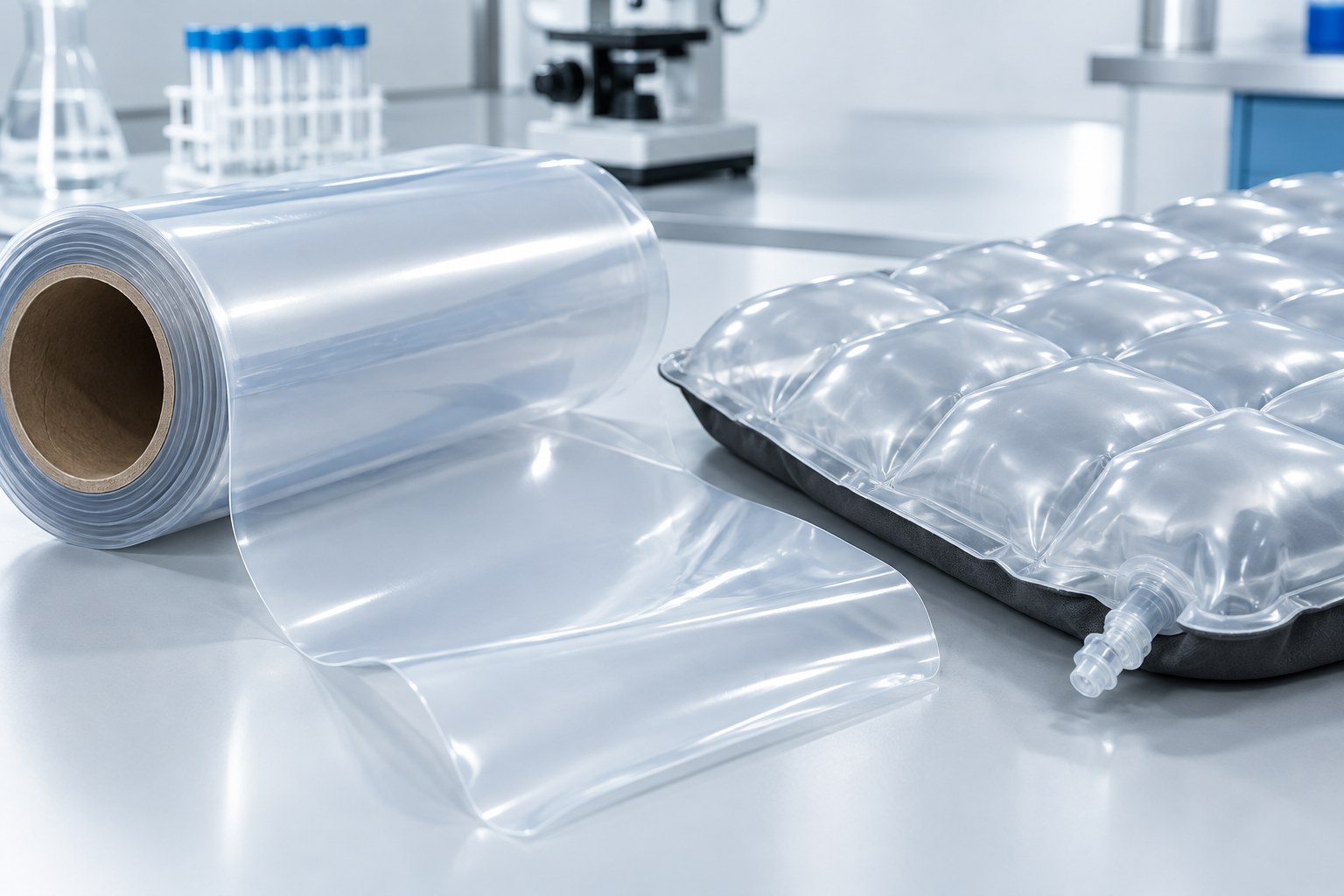
High-quality PVC, nylon, or TPU for leak resistance.
Waterproof covers for easy cleaning.
4. Inflation and Adjustability
Manual pump vs. self-inflating vs. electric pump options.
Ability to fine-tune firmness is crucial for personalized comfort.
5. Pressure Relief Technology
Number of air cells or chambers.
Immersion depth (how much your body sinks in).
Stability features to prevent bottoming out.
6. Weight Capacity and Support
Check limits—many support 330+ lbs. Bariatric users need reinforced models.
7. Portability and Extras
Carry bag, repair kit, spare valves.
Non-slip bottom to stay in place on chairs.
8. Price vs. Value
Entry-level inflatable pads start affordably, while premium medical-grade air cushions cost more but offer better longevity and performance.
Targeted Recommendations for Different Users


For Long-Hour Office Sitting & Tailbone Pain: Contoured inflatable cushions provide excellent relief.
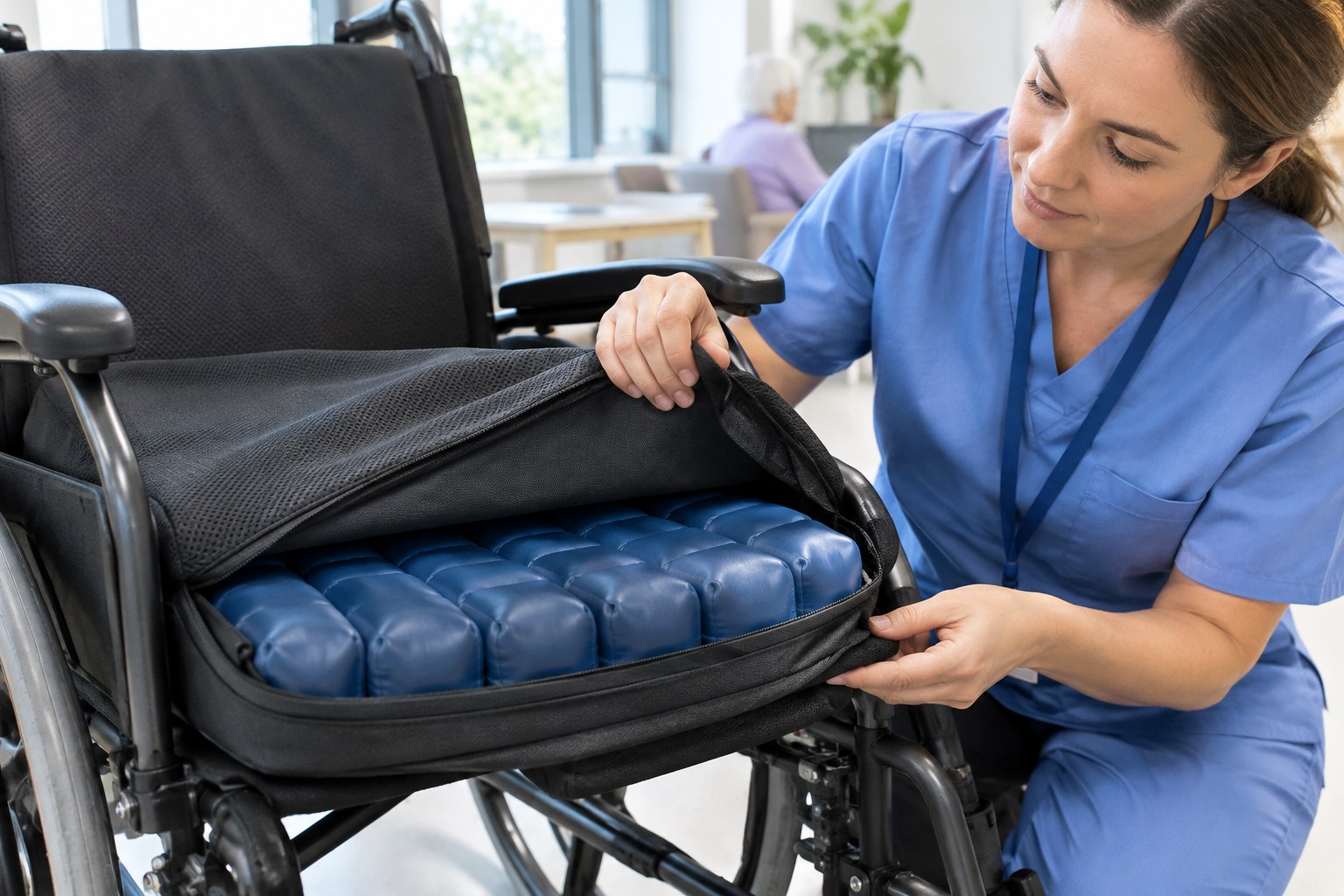
Wheelchair Users: Multi-chamber air cushions designed for even weight distribution and shear reduction.
Post-Surgery or Injury Recovery: High-immersion air cell models recommended by healthcare professionals.
Travelers: Compact inflatable seat pads that fit in carry-on luggage and inflate quickly.
Always consult a doctor or occupational therapist for medical conditions to ensure the cushion meets your clinical needs.
Proper Usage & Daily Maintenance Guidelines
How to Properly Use and Maintain Your Cushion
Check inflation daily for air cushions.
Clean regularly with mild soap and water.
Store deflated in a cool, dry place.
Replace if leaks develop or please inflate. Support diminishes.
Frequently Asked Questions About Air Decompression Cushions(FAQs)
Q: Are inflatable seat cushions better than foam ones?
A: Inflatable options offer better adjustability and pressure mapping for many users, especially those needing targeted relief. Foam provides more consistent support but less customization.
Q: Can I use an air cushion on an airplane?
A: Yes—many are TSA-friendly and deflate small. Great for long flights.
Q: How do I know if I need a pressure relief cushion?
Signs include tailbone pain, numbness, redness after sitting, or existing pressure injury risk.
Q: What’s the difference between cheap and premium options?
Q: What’s the difference between cheap and premium options?
Premium models use better materials, more cells, and proven pressure redistribution tech for longer-lasting comfort and durability.
Final Thoughts: Make the Smart Purchase
Choosing the right air cushion, inflatable seat pad, or pressure relief product is an investment in your health, productivity, and comfort. Focus on your specific needs—daily sitting duration, mobility requirements, and any medical considerations—rather than just price.
Read reviews, compare features side-by-side, and consider trying adjustable models. With the right choice, you’ll experience reduced pain, better posture, and more enjoyable sitting—whether at work, on the road, or at home.
Ready to upgrade your seating comfort? Explore trusted options and start feeling the difference today.


Leave a Reply