
In high-end U.S. senior living and skilled nursing facilities, resident comfort and clinical outcomes directly influence reputation, occupancy, and operational costs. One critical tool for achieving both is the modern pressure-relief cushion—particularly advanced air-cell designs. As the population ages and value-based care intensifies, facilities are shifting from basic foam seating to sophisticated air cell cushions and air pressure relief cushions that deliver superior pressure redistribution while supporting staff efficiency and regulatory compliance.
This overview examines current market dynamics, clinical drivers, and procurement considerations tailored for B2B decision-makers at premium elderly care centers.
Market Growth and Key Drivers
The global market for pressure-relieving seating solutions continues to expand steadily. Air cell cushions are projected to grow at a CAGR of about 8.6% through the early 2030s, while broader bedsore/anti-decubitus cushion segments show 6–7% annual growth. North America holds a leading share, driven by a large aging population, established reimbursement pathways, and stringent pressure injury prevention requirements.
Long-term care facilities represent a major application segment. Rising incidence of pressure injuries among residents with limited mobility, combined with CMS expectations around prevention protocols, is accelerating adoption of higher-performance options. High-end centers, which prioritize resident experience and lower complication rates, are particularly receptive to multi-chamber air systems that offer dynamic or adjustable pressure management.
Key growth factors include:
- Demographic pressure from the expanding 65+ population.
- Emphasis on value-based care and reduced hospital re-admissions.
- Clinical evidence showing air-cell systems can significantly lower interface pressures and pressure ulcer incidence compared with basic foam.
- Demand for products that balance clinical efficacy with ease of cleaning, durability, and customization for diverse body types and seating environments (wheelchairs, lounge chairs, dining seating).
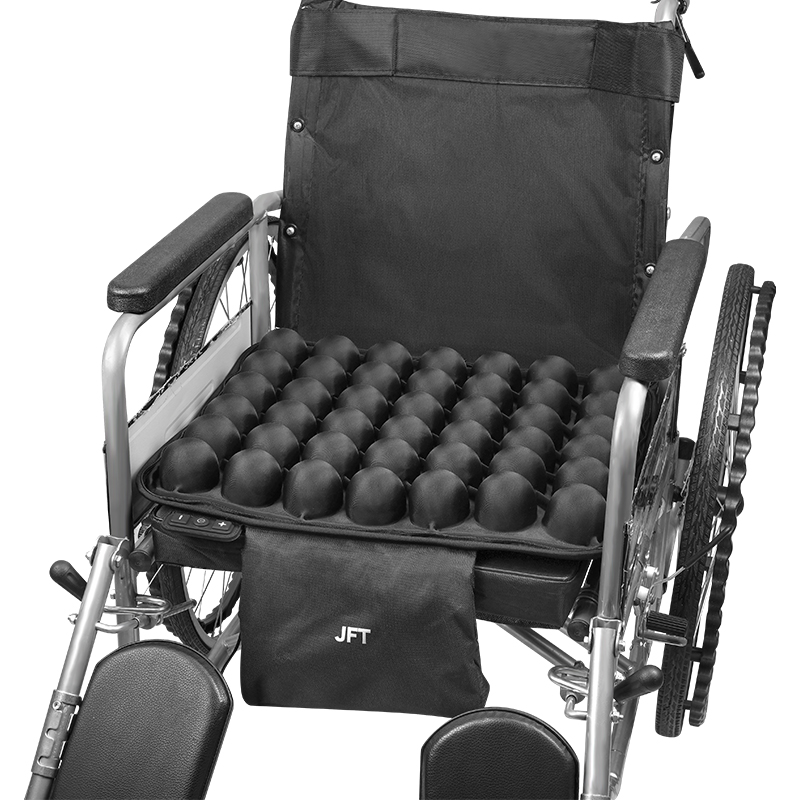
Why Air Cell and Air Pressure Relief Cushions Stand Out
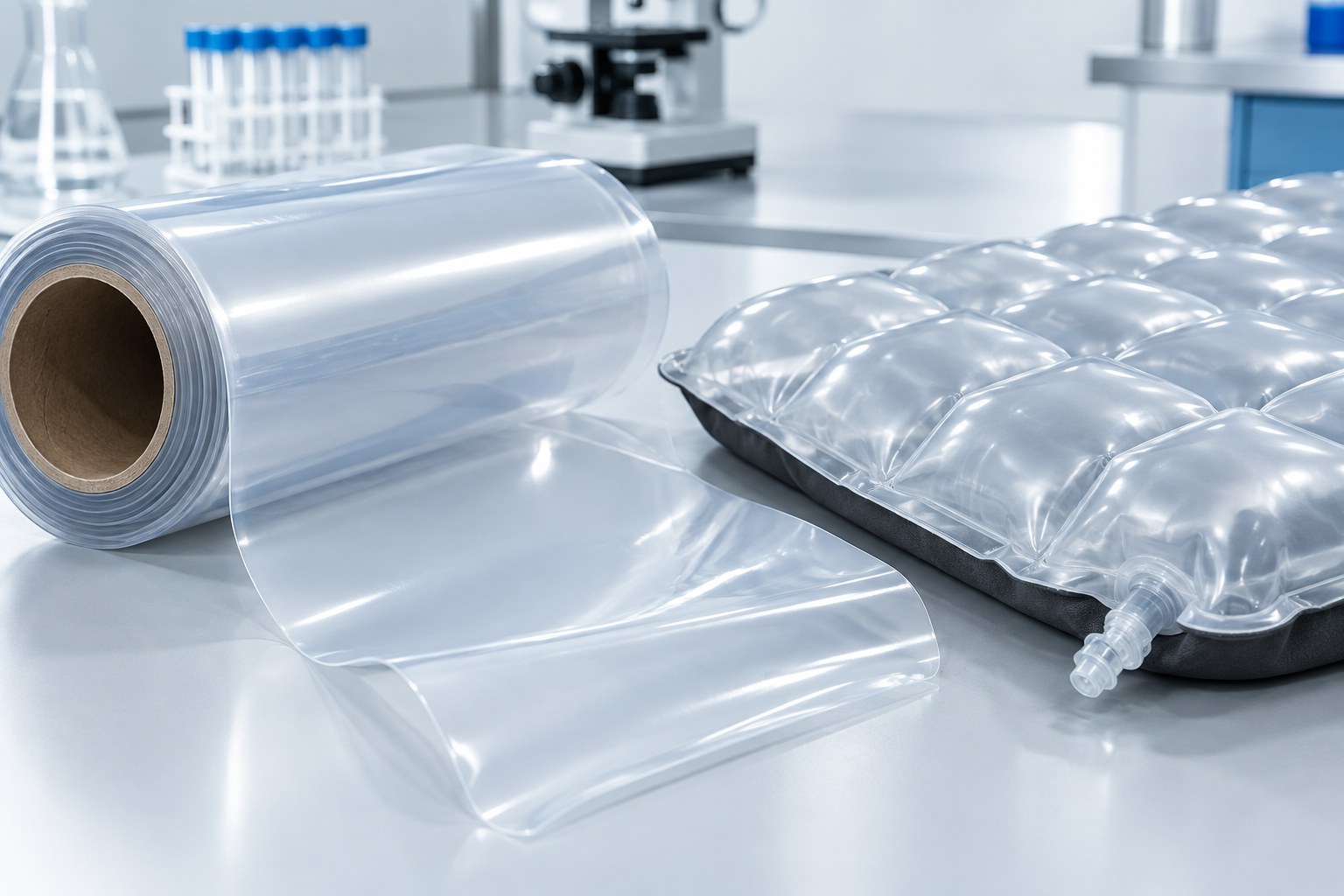
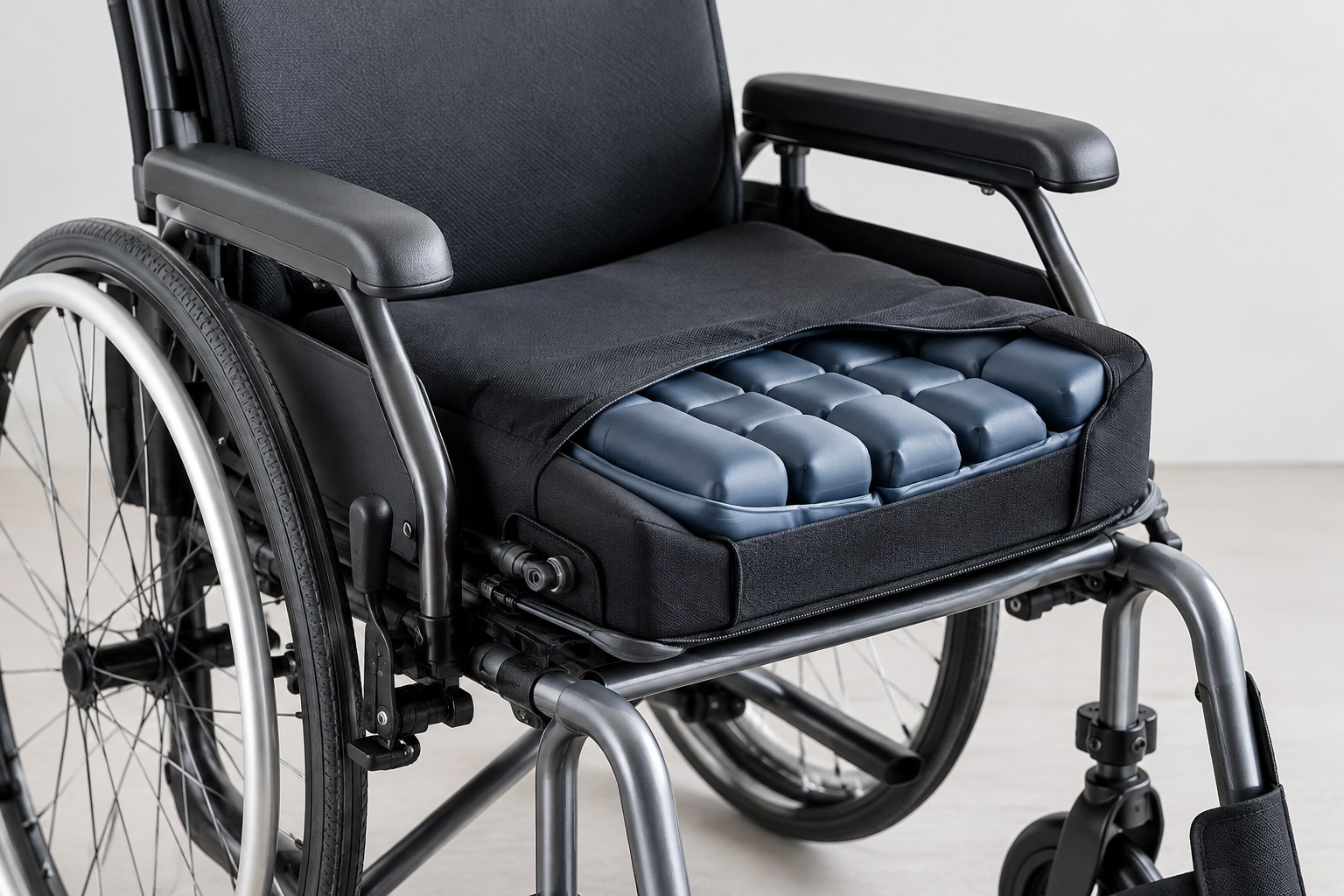
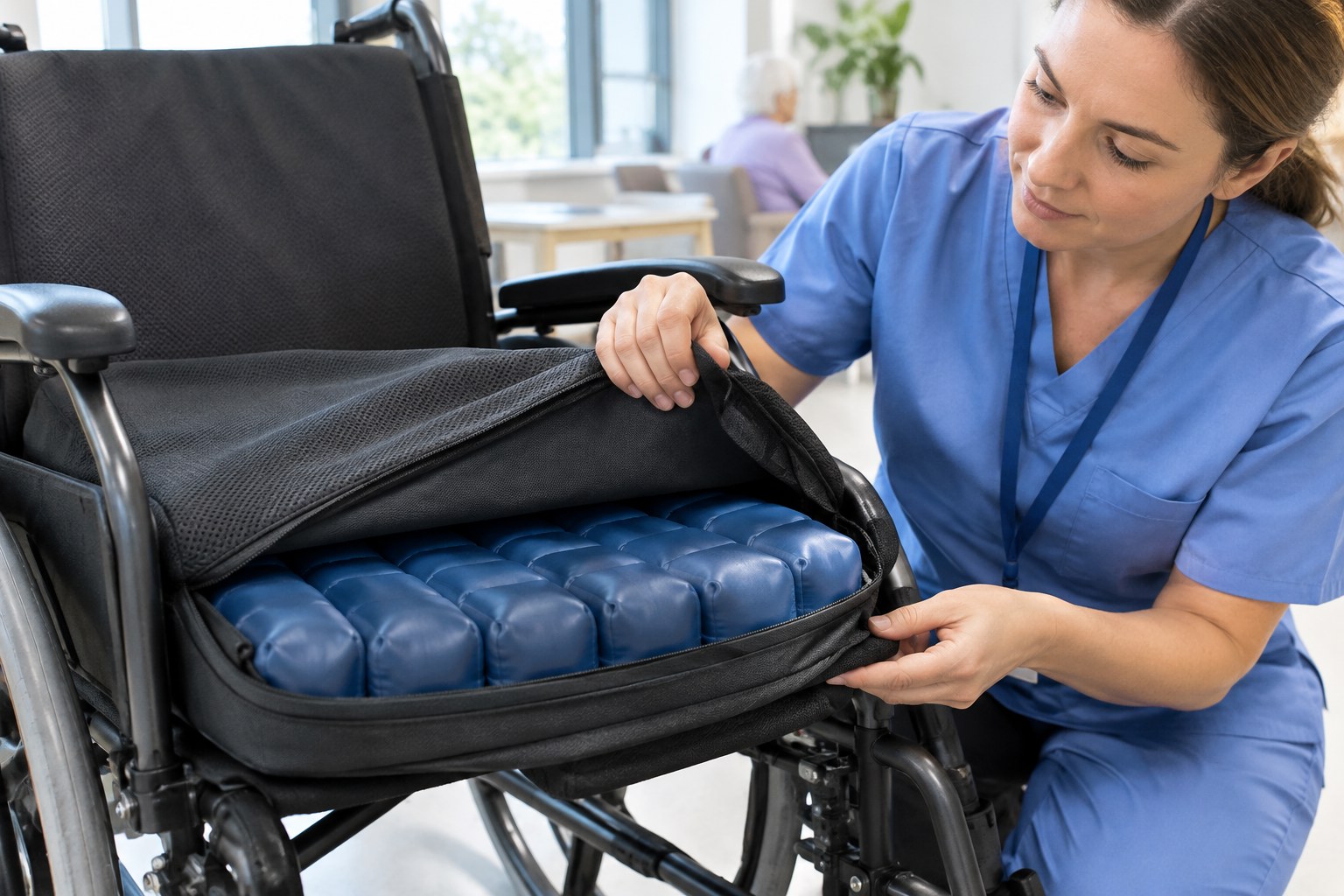
Traditional foam cushions provide basic immersion but can compress over time and offer limited dynamic relief. Gel hybrids improve shear reduction yet may retain heat or add weight. In contrast, air cell cushions (often multi-chamber designs) allow the body to immerse while redistributing load across interconnected cells. Many modern versions enable manual or powered adjustment of firmness, supporting individualized care plans.
Benefits relevant to premium senior care include:
- Superior pressure redistribution that helps prevent Stage 1–2 injuries and supports healing of existing ones.
- Adjustability for residents of varying weights and risk levels without needing multiple SKUs.
- Improved microclimate management when paired with breathable, cleanable covers—important for infection control and skin integrity.
- Potential reduction in staff time spent on frequent repositioning when dynamic or well-designed static air systems are used appropriately.
- Compatibility with infection-control protocols through removable, antimicrobial-compatible covers.
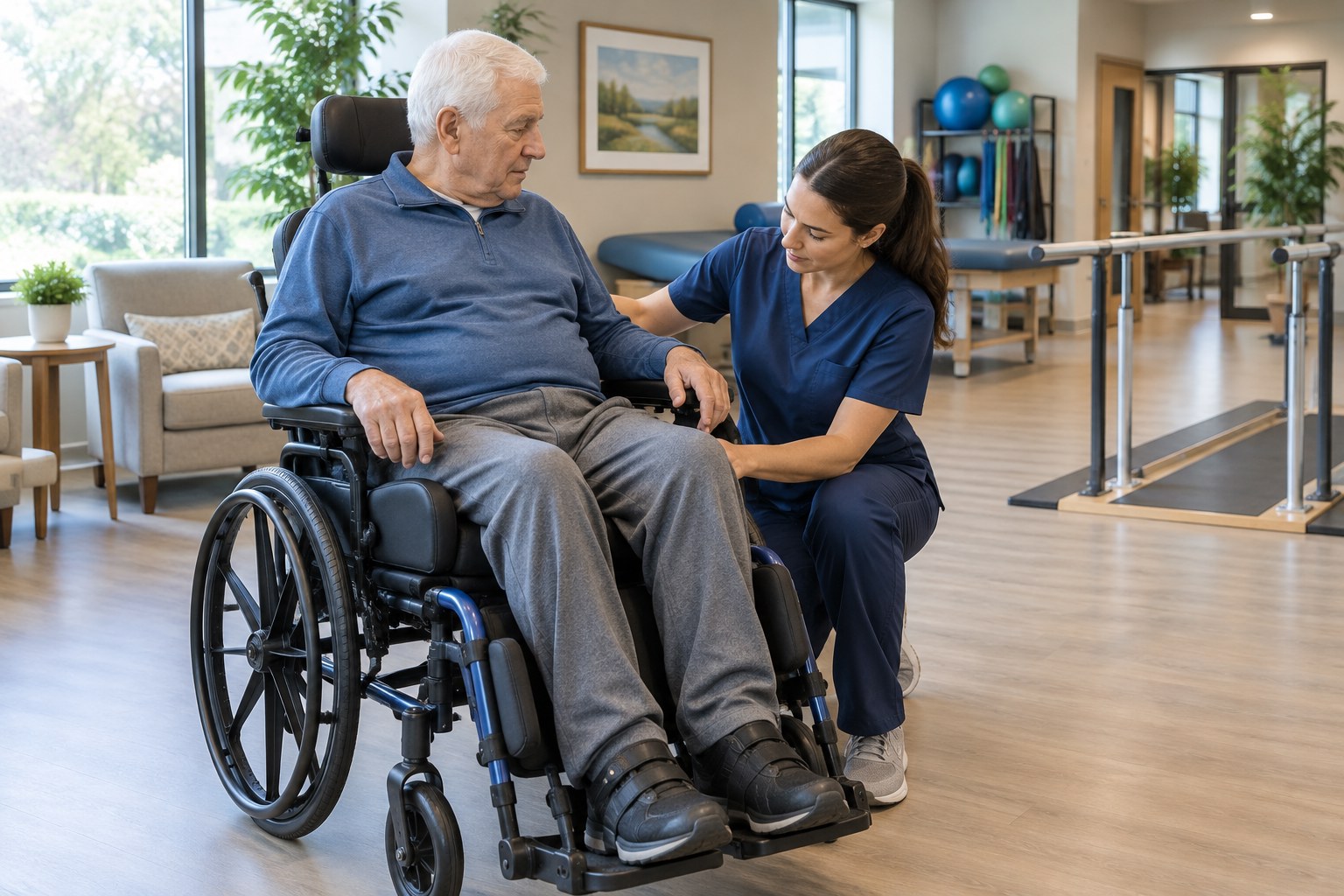
For high-risk or wheelchair-dependent residents, wheelchair pressure relief cushions with air cell technology are increasingly viewed as a standard element of skin protection programs rather than an optional upgrade.
Procurement Considerations for High-End Facilities
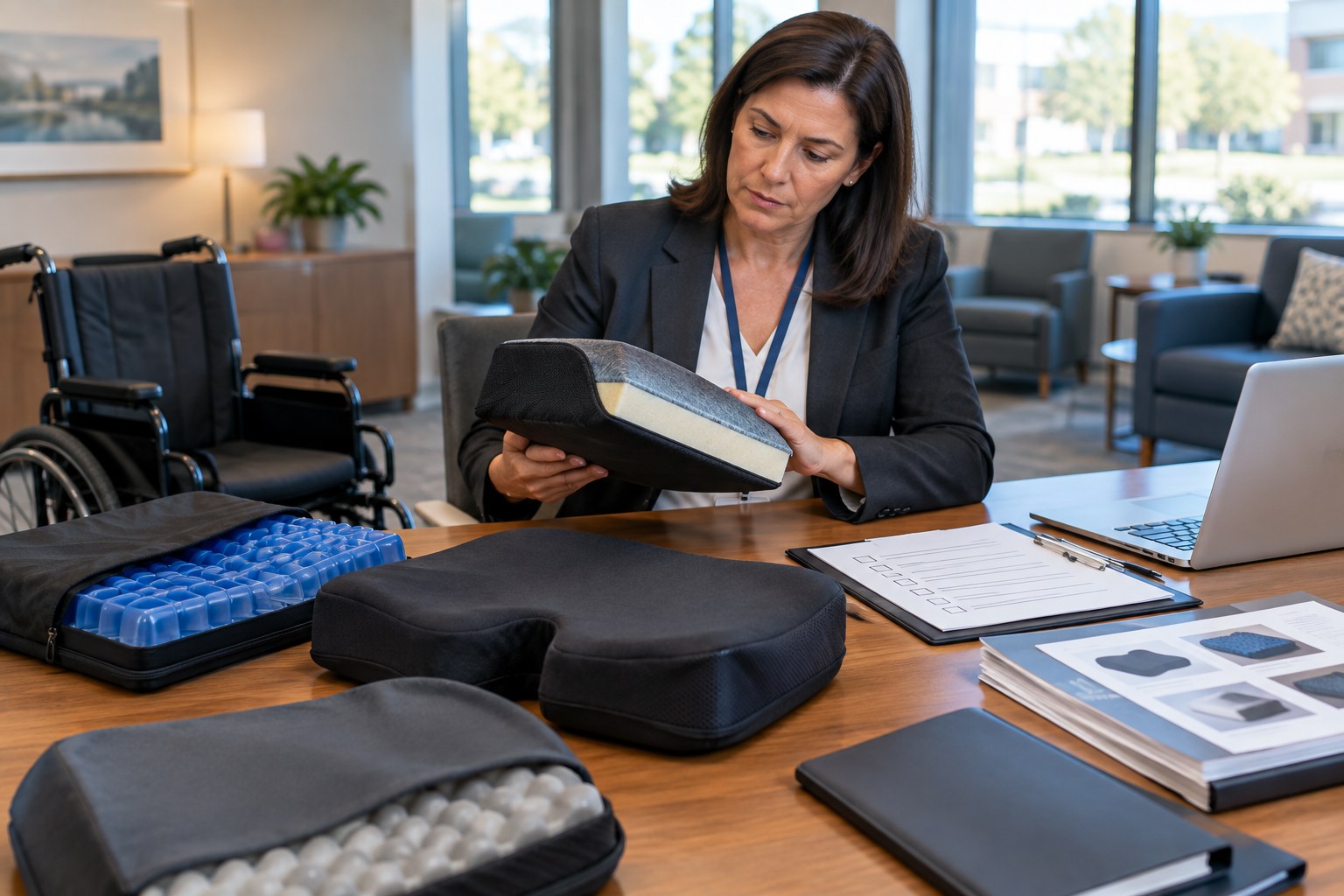
B2B buyers at luxury assisted living, memory care, and skilled nursing communities evaluate products on clinical performance, total cost of ownership, and resident experience. Key evaluation criteria include:
- Clinical evidence and pressure-mapping data supporting redistribution claims.
- Durability and weight capacity suitable for long-term institutional use.
- Ease of maintenance: inflatable systems should hold pressure reliably and feature covers that withstand frequent disinfection.
- Staff usability: simple inflation/adjustment mechanisms reduce training burden and compliance risk.
- Scalability: ability to standardize across a fleet of wheelchairs and seating while allowing personalization.
- Supplier reliability for consistent supply, training support, and potential customization.
Facilities that integrate high-quality pressure redistribution cushions into comprehensive prevention protocols (risk assessment, repositioning schedules, nutrition, and skin monitoring) report better outcomes and lower costs associated with treating advanced pressure injuries—which can reach tens of thousands of dollars per case.
Looking Ahead: Technology and Value-Based Care
Emerging trends point toward greater integration of sensors and smarter air systems that monitor or automatically adjust pressure. While fully “smart” cushions remain a smaller segment, the broader move is toward active or highly adjustable air technology that supports measurable outcomes. Hybrid designs combining air cells with supportive foam layers are also gaining attention for balancing stability and immersion.
In a value-based environment, the right pressure relief cushion is no longer just a comfort accessory—it is a clinical and financial tool. High-end centers that invest in proven air cell solutions position themselves to deliver safer, more comfortable experiences while controlling preventable complications.
For facility directors, directors of nursing, and procurement teams evaluating seating upgrades, focusing on clinically validated air cell and air pressure relief options aligned with current guidelines offers a practical path to improved resident outcomes and operational efficiency.
If your community is reviewing seating solutions or seeking bulk options tailored to high-acuity or luxury senior care environments, explore current air cell technologies designed for institutional use. Prioritizing evidence-based pressure ulcer prevention through effective seating remains one of the highest-ROI investments available in modern elderly care.

Leave a Reply