

In U.S. high-end nursing homes and luxury senior living communities, pressure injury (decubitus) prevention has become a critical operational priority. Residents expect exceptional comfort and dignity, while facilities face staffing shortages, regulatory compliance requirements (including CMS standards), and the high costs associated with treating advanced-stage pressure injuries. Traditional manual repositioning is labor-intensive and difficult to sustain consistently. Advanced pressure care technologies—particularly air-cell-based solutions—are emerging as key investments for B2B decision-makers in this sector.
Current Demand and Key Pain Points in High-End Long-Term Care
The aging population in the United States continues to drive demand for sophisticated care in premium skilled nursing and assisted living settings. Many residents have limited mobility or multiple chronic conditions, elevating their risk of pressure injuries. These injuries not only compromise quality of life and facility reputation but can also lead to infections, extended care needs, and potential liability.
Primary challenges include:
- Persistent staffing constraints that make frequent repositioning difficult to maintain.
- Standard foam mattresses and cushions that often “bottom out” under prolonged pressure, creating high interface pressures over bony prominences.
- High expectations from residents and families for quiet, comfortable, personalized support surfaces rather than clinical-feeling equipment.
- The need for coordinated pressure redistribution solutions across both bedding and seating (wheelchairs and chairs), along with effective microclimate management and infection-control features.
Market data show steady growth in demand for pressure injury prevention equipment, with premium facilities increasingly prioritizing medical-grade support surfaces that reduce caregiver burden while improving clinical outcomes and resident satisfaction.
Advances in Air Cell Technology for Bedding and Seating
Air‑cell mattresses and related systems use individual or interconnected air cells to deliver dynamic pressure redistribution:
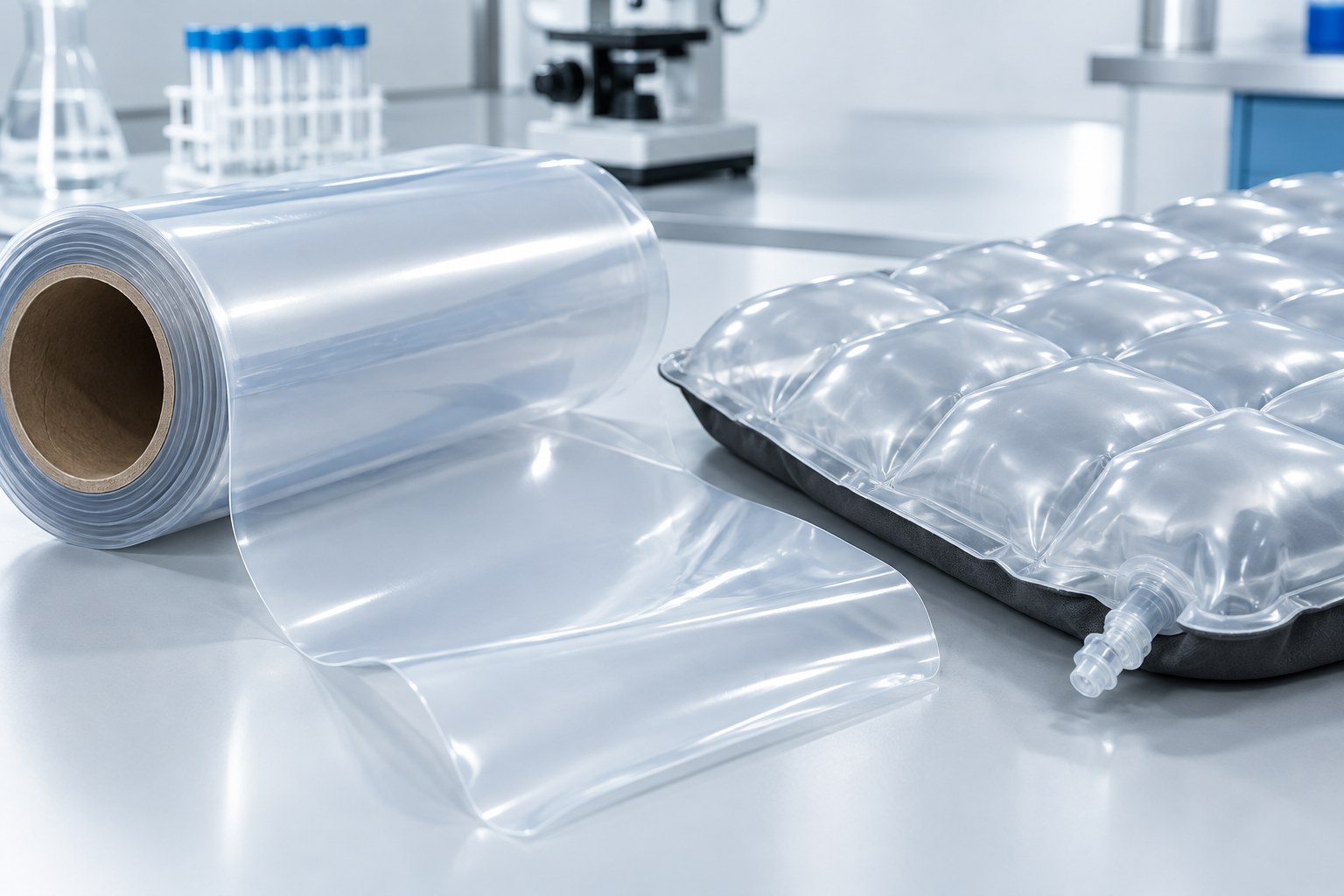
- Alternating air‑cell mattresses cycle inflation and deflation to periodically relieve sustained pressure on high‑risk areas. Many feature low air loss therapy with continuous airflow to regulate skin temperature and moisture, reducing moisture‑related skin damage. Built‑in cell‑on‑cell structure retains air during power outages to prevent bottoming‑out risk.
- Cell-on-cell designs: The lower layer of cells retains air even during power interruption, offering a safety margin against bottoming out.
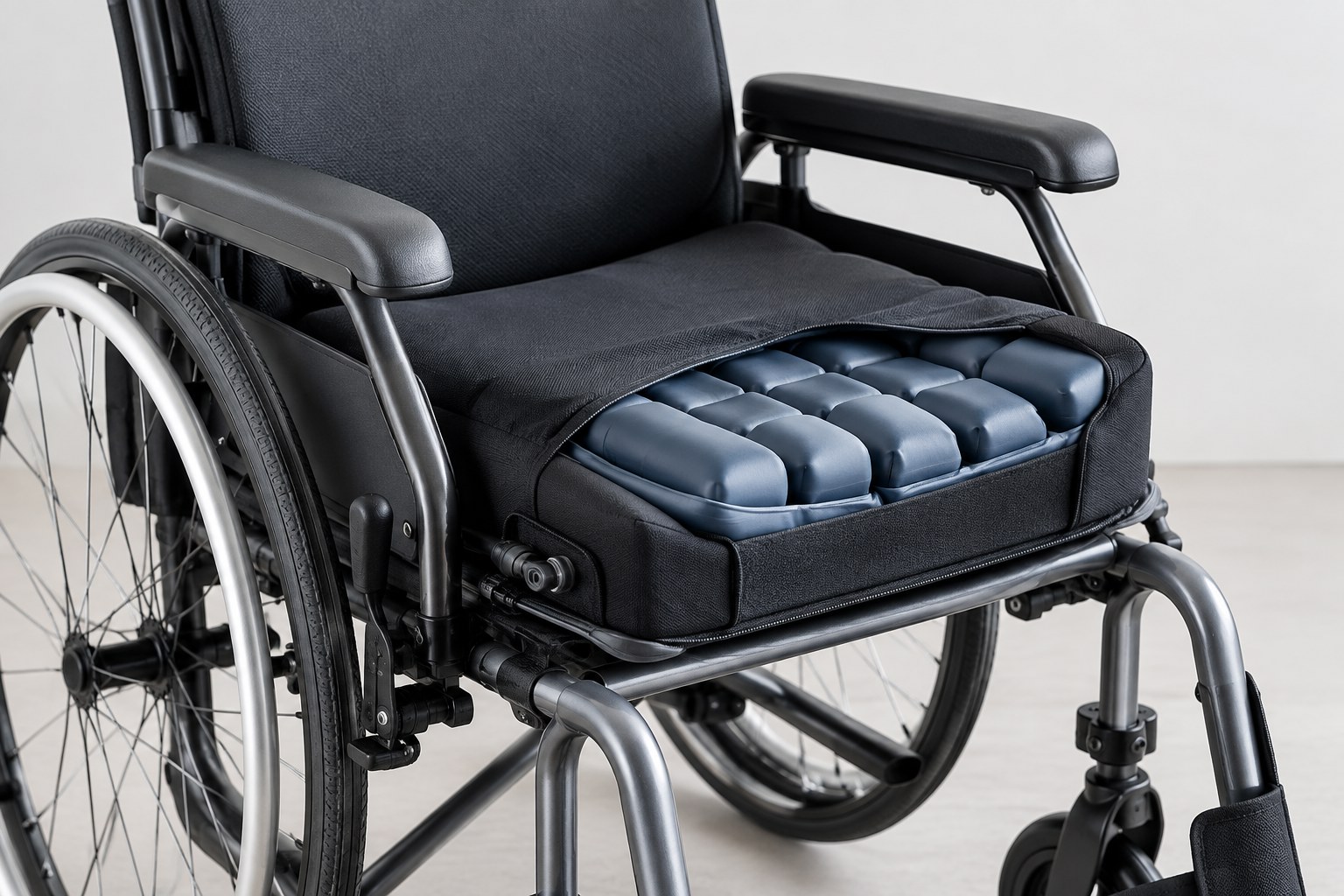
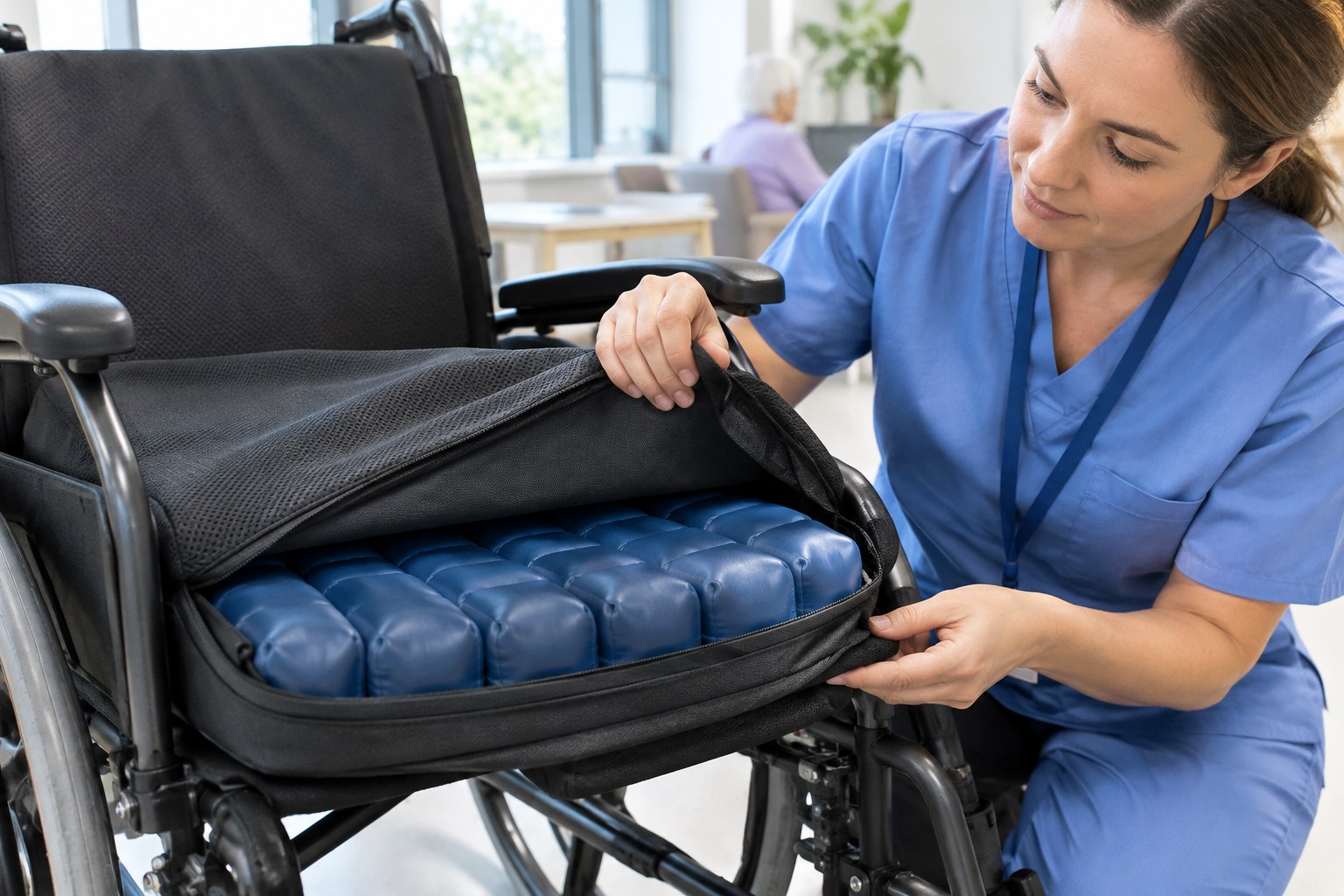
- Air-cell cushions for seating: Multi-cell adjustable cushions allow customized immersion and firmness. They are particularly effective for residents who spend extended periods in wheelchairs or recliners, significantly reducing pressure on the ischial tuberosities and sacrum. These form an essential part of comprehensive long-term patient seating solutions.
These technologies can reduce reliance on frequent manual turning while improving resident comfort. Clinical observations indicate that appropriately selected air-cell pressure relief systems help lower pressure injury incidence and improve subjective comfort scores during rest and activity. When evaluating products, high-end facilities typically prioritize adjustable cycle times, quiet pump operation, fluid-resistant antimicrobial covers, and compatibility with existing bed frames.
Implications for B2B Procurement of Air cell cushions

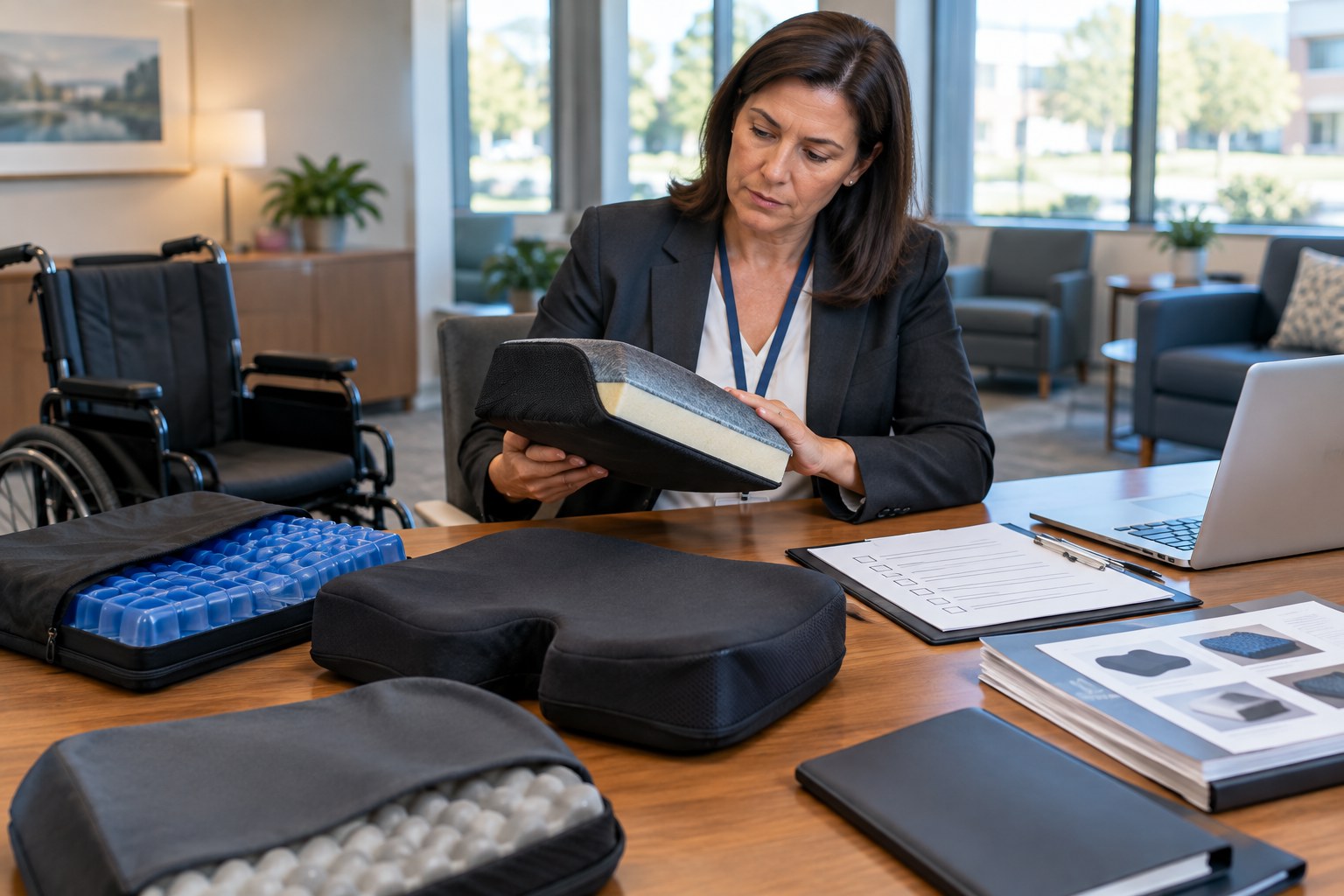
Procurement teams searching high-intent long-tail terms—such as air-cell mattress for nursing homes, alternating pressure air-cell mattress long-term care, air-cell cushion for skilled nursing, and low air loss air-cell system—should focus on:
- Risk-matched selection based on validated tools such as the Braden Scale.
- Integrated air-cell strategies covering both bedding and seating.
- Total cost of ownership, balancing upfront investment against reduced treatment costs, labor savings, and lower compliance risk.
- Ease of maintenance and resident feedback.
As the technology evolves—with finer air-cell arrays, smarter pressure sensing, and hybrid foam-air designs—air-cell solutions are shifting from reactive treatment tools to proactive standard equipment in premium long-term care environments. This evolution supports regulatory requirements while genuinely elevating the quality of life for long-term residents.

Leave a Reply