

Looking for reliable air cell seating solutions that reduce pressure injuries, protect the coccyx, and improve resident comfort in long-term care settings? This comprehensive buying guide explains how modern air cell (air cushion / inflatable seat pad) technology delivers measurable advantages for nursing homes and care centers—while remaining portable, lightweight, and easy to manage.
Why Air Cell Seating Matters in Long-Term Care
Prolonged sitting is common among elderly residents and patients with limited mobility. Traditional foam cushions often compress over time, concentrate pressure on the ischial tuberosities and coccyx, restrict airflow, and increase the risk of pressure ulcers. High-quality air cell seating addresses these issues through intelligent air-cell design.
Key features that set effective air cell seating apart include:
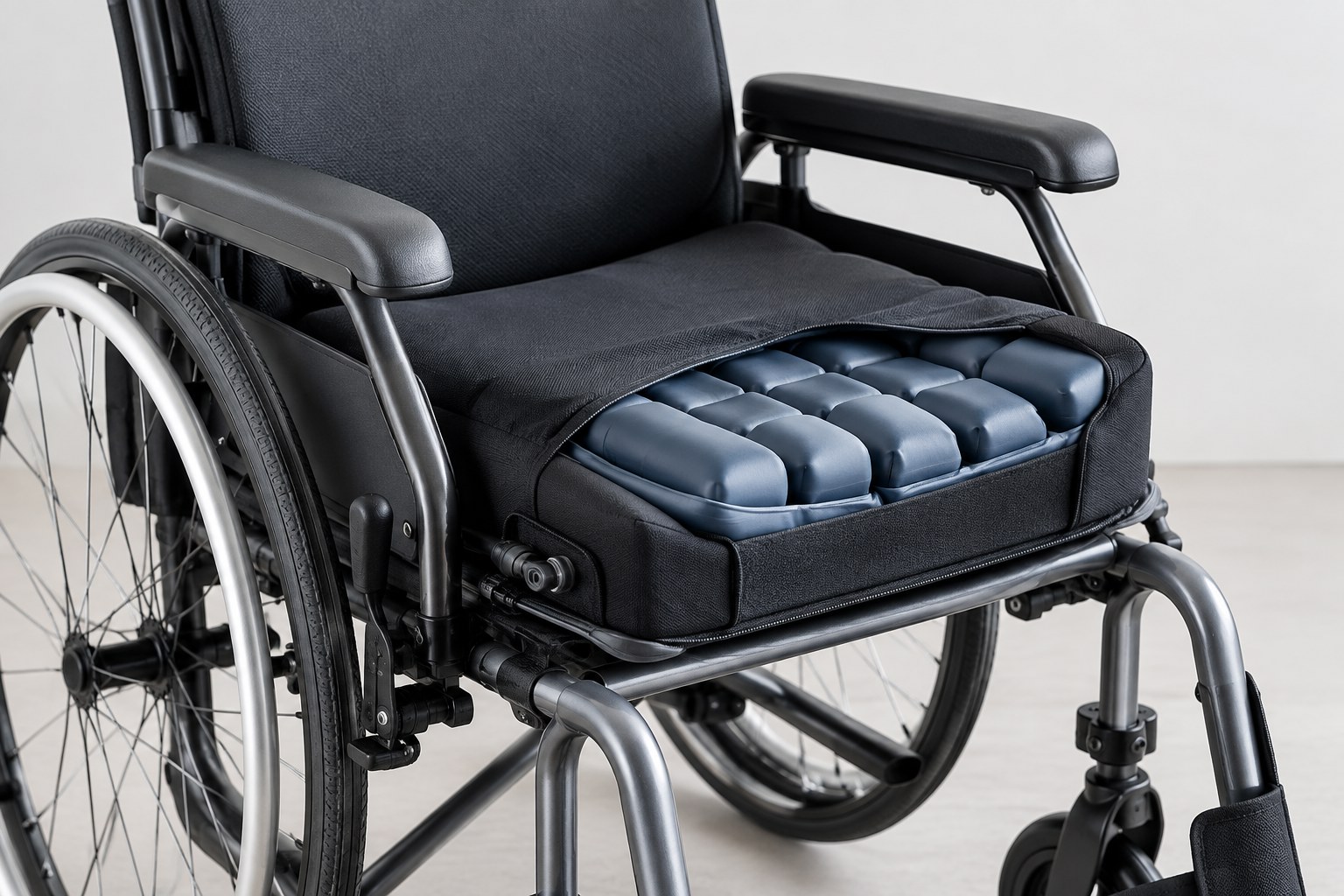
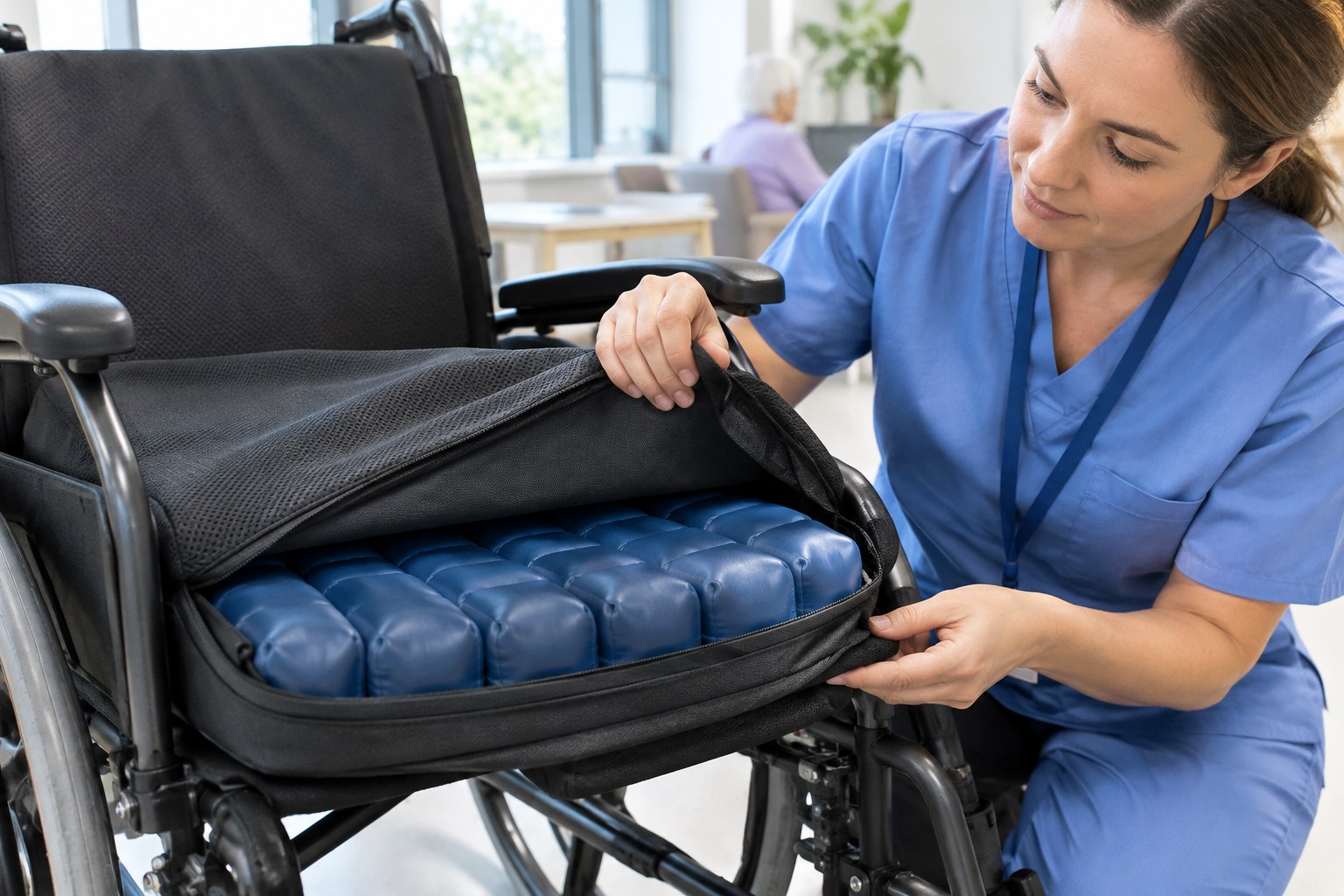
✅️ Partitioned support for buttocks, thighs, and coccyx with a concave-convex contoured surface that follows natural body curves and distributes weight more evenly.
✅️ Dynamic air-cell response: When the cushion is under load, sense changes in posture and body weight. Air flows between cells to create a uniform-pressure “anti-gravity” effect that cushions vertical forces and significantly reduces peak pressure on the tailbone and buttocks.
✅️ Hollow suspension / open-cell design that allows the buttocks to “breathe,” promoting airflow, reducing heat and moisture buildup, and minimizing the muggy, uncomfortable feeling associated with solid foam pads.

✅️ Lightweight and portable construction that makes the cushions easy for staff to move, clean, store, or transfer between wheelchairs, day chairs, and beds.
These characteristics make air cell seating particularly suitable for the high-acuity, high-turnover environment of nursing homes and care centers.
Concrete Benefits for Nursing Homes and Care Centers
From an operational and clinical perspective, switching to or expanding the use of air cell pressure-relief cushions can deliver several measurable advantages:
1. Pressure Injury Prevention & Reduced Clinical Risk
The anti-gravity air-flow mechanism and contoured multi-zone support lower peak interface pressures on the coccyx and ischial areas. This helps care facilities meet pressure-ulcer prevention protocols, reduce the incidence of stage 1–2 injuries, and lower associated treatment costs and liability exposure.
2. Improved Resident Comfort & Quality of Life
Residents who sit for long periods experience less localized pain and fatigue. Better breathability from the hollow suspension design reduces skin maceration and discomfort, supporting longer periods of upright sitting, better engagement in activities, and higher satisfaction scores.
3. Staff Efficiency & Ease of Use
Because the cushions are lightweight and portable, caregivers can quickly reposition or replace them without heavy lifting. Many models are easy to wipe clean or are compatible with standard infection-control procedures—important in shared living environments.
4. Cost-Effectiveness Over Time
Durable air cell seating typically outlasts basic foam cushions. Lower rates of pressure injuries translate into fewer wound-care supplies, fewer specialist consultations, and reduced staff time spent on skin assessments and treatments. Portable design also means one cushion can serve multiple residents or settings as needed.
5. Flexibility Across Care Settings
The same air cell seating product can be used on wheelchairs, stationary chairs, and even some bed-edge seating situations, simplifying inventory and training.
What to Look for When Choosing Air Cell Seating
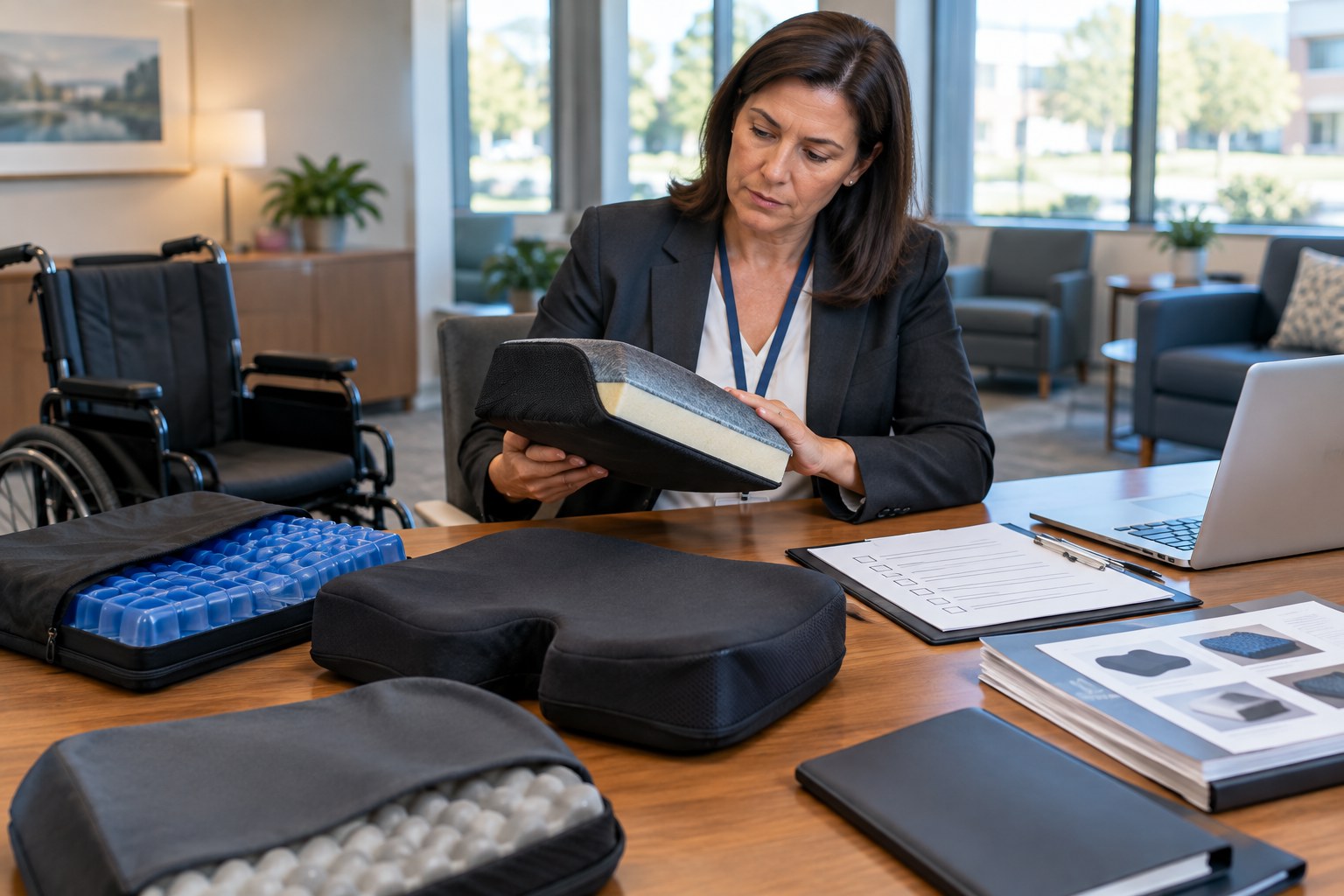
When evaluating products for your facility, prioritize these criteria:
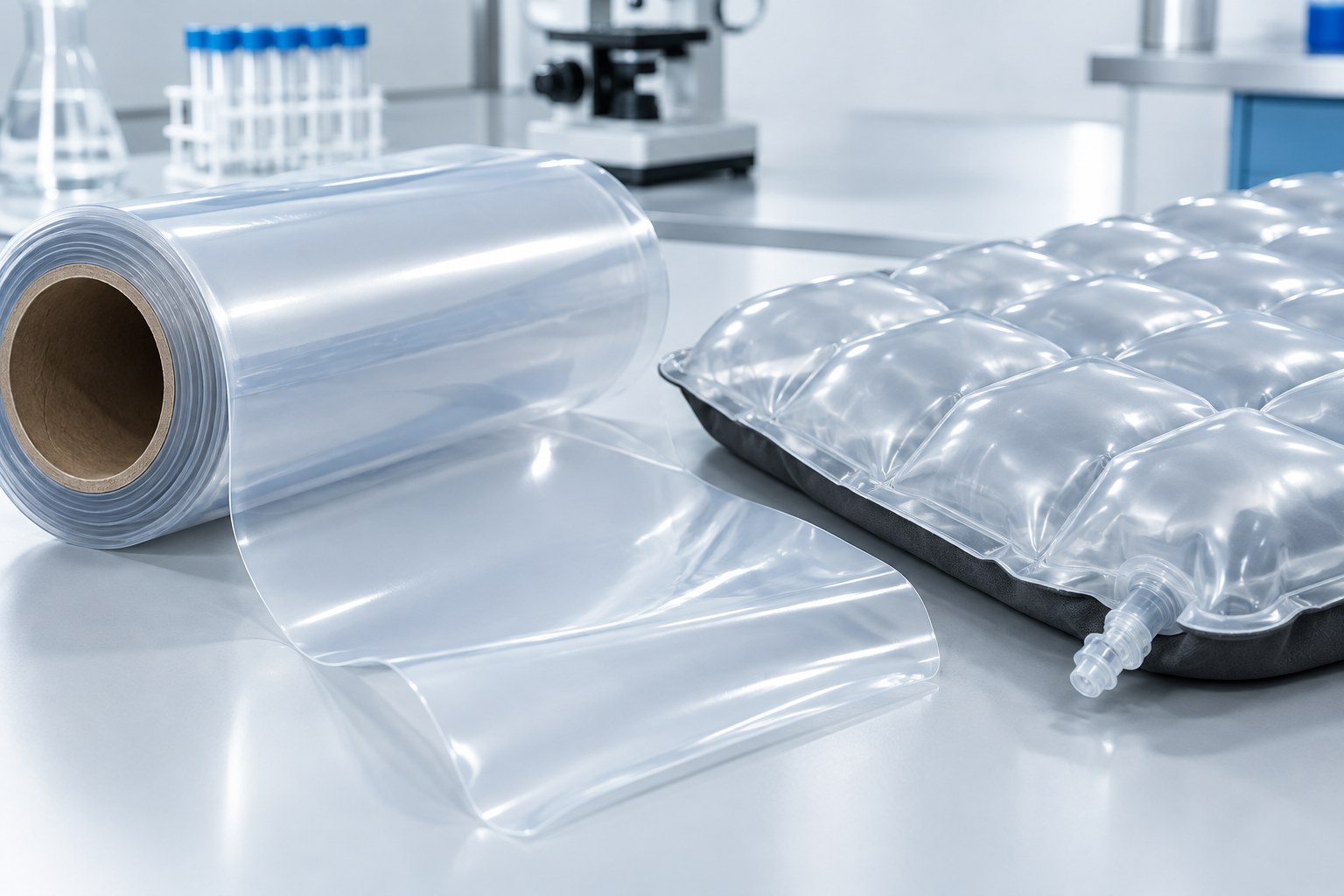
- Independent or interconnected air cells that allow internal air redistribution under varying loads and postures.
- Clear multi-zone (buttocks/thighs/coccyx) contouring
- Documented pressure-mapping data
- Lightweight construction and easy portability.
- Breathable cover materials and a hollow or open design that promotes airflow.
- Easy cleaning, compatibility, and durability under daily institutional use.
- Appropriate size and stability for the resident population (including options for different weight ranges).
Practical Implementation Tips for Care Centers
- Start with high-risk residents (those with limited mobility, previous pressure injuries, or extended sitting times).
- Combine air cell seating with existing repositioning schedules and skin-inspection protocols for best results.
- Train staff on proper inflation levels and visual checks so the cushions maintain optimal performance.
- Track simple metrics (pressure-injury incidence, resident feedback, staff comments on ease of handling) to demonstrate ROI.
Conclusion: Smarter Air Cell Sitting Support for Better Care Outcomes
Air cell seating is more than a comfort upgrade—it is a practical, evidence-aligned tool that helps nursing homes and care centers reduce pressure on vulnerable areas, protect the coccyx, improve breathability, and support both resident well-being and operational efficiency. The combination of partitioned contoured support, dynamic air redistribution for an anti-gravity effect, lightweight portability, and open suspension design makes these cushions a strong choice for facilities focused on pressure-injury prevention and resident-centered care.
When selecting products, focus on proven pressure-relief performance, ease of use for staff, and long-term durability. The right air cell seating solution can become a quiet but effective part of your pressure-management strategy—helping residents sit more comfortably and safely every day.

Leave a Reply